EnglishEnglish



PuriCel Ⅰ
Cigeair
| Quantity: | |
|---|---|


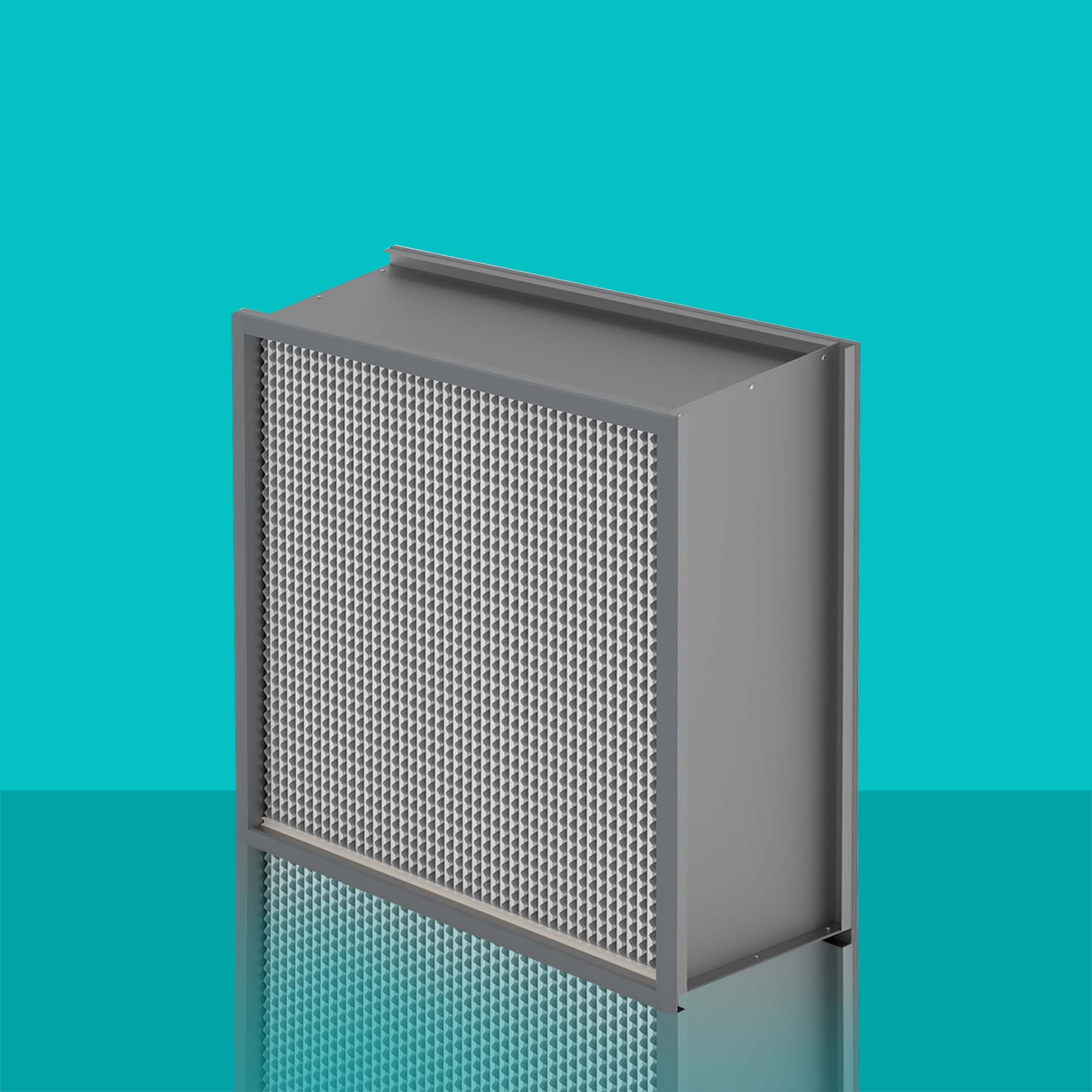
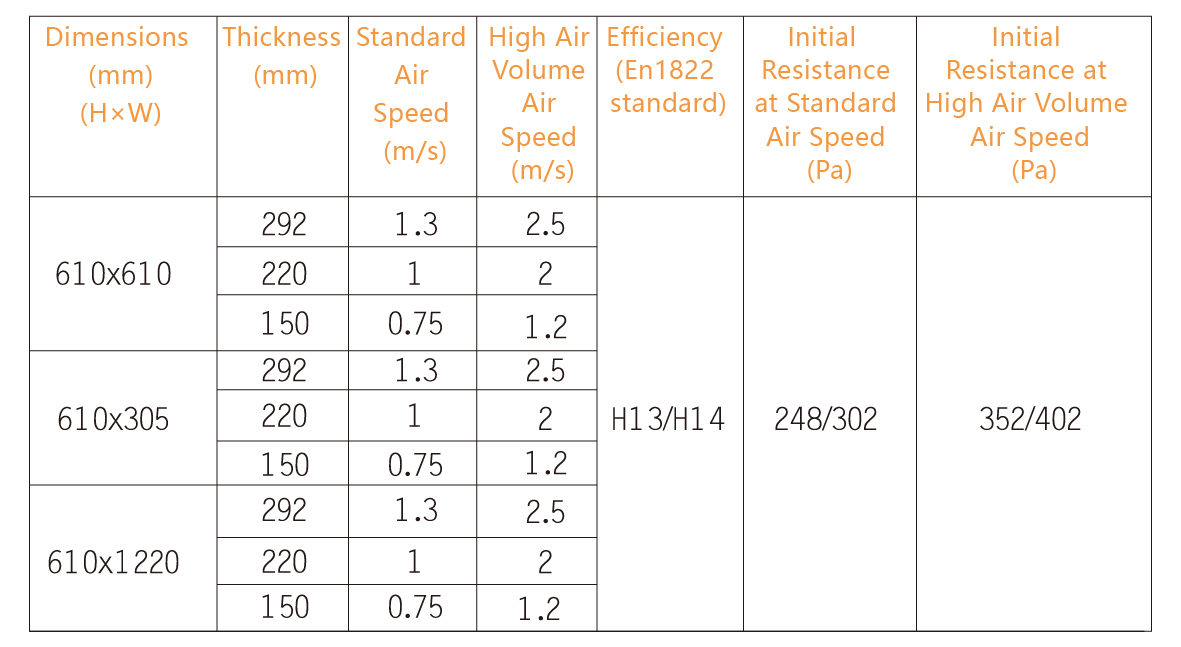
The PuriCel I separator box filter serves as a critical component in the high-efficiency filtration section of complex ventilation systems. Engineered for demanding industrial, commercial, and civil building environments, this unit delivers exceptional H13 and H14 level interception rates for micro-particles. Its compact, rigid structure provides a substantial extended filter surface area while maintaining a manageable overall weight, making installation straightforward even in constrained spaces. The construction materials are rigorously evaluated, undergoing UL900 certification to ensure compliance with strict fire safety protocols. Designed specifically for elevated airflow demands, the high air volume PuriCel I variants accommodate significantly larger capacities than standard counterparts. This aerodynamic efficiency translates directly into operational flexibility and measurable reductions in lifecycle costs for facility managers. The system confidently supports a higher face velocity—reaching up to 2.5 m/s—while exhibiting an impressively minimal increase in initial pressure loss. When evaluated against conventional standard-volume alternatives, the PuriCel I architecture demonstrates noticeably lower airflow resistance. This optimized aerodynamic performance ensures less energy consumption from blower fans and a prolonged operational service life, delivering the same or greater air volume with enhanced efficiency. |  |
| Outer frame | Galvanized frame, aluminum alloy, stainless steel, fireproof board, medium fiber board, plywood | ||||||||||||||||||||||||||||||
| Filter media | Moisture-proof and flame-retardant fiberglass filter media | ||||||||||||||||||||||||||||||
| Filter media separator | Corrugated aluminum foil | ||||||||||||||||||||||||||||||
| Filtration efficiency | H13/H14 | ||||||||||||||||||||||||||||||
| Fire rating | Undergoing UL900 certification | ||||||||||||||||||||||||||||||
| Maximum service temperature | ≤70℃ | ||||||||||||||||||||||||||||||
| Suggested final resistance | 800Pa (high air volume), 600Pa (standard air volume) | ||||||||||||||||||||||||||||||
| Main applications | Life sciences, health care, industrial support, micro-electronics manufacturingPre-filtration of ventilation and air conditioning systems for commercial and industrial use | ||||||||||||||||||||||||||||||
| Sealant | Flame retardant phosphorus-free polyurethane adhesive | ||||||||||||||||||||||||||||||
| Protective mesh | Sprayed steel mesh (optional) | ||||||||||||||||||||||||||||||
| Seal model | EPDM gasket with low chemical diffusivity | ||||||||||||||||||||||||||||||
To guarantee absolute reliability in critical environments, every single unit undergoes a rigorous scan and test procedure before dispatch. Filters that successfully pass general particulate evaluations may still harbor microscopic bypasses; therefore, a meticulous point-by-point scan test is implemented to identify and rectify any imperfections. This protocol utilizes a multi-functional ethanol aerosol—chosen specifically because it leaves zero residue on the sensitive filter material—ensuring the final product delivers uncompromised air purity.
The internal architecture of the PuriCel I separator box HEPA filter features a highly calculated folding mechanism. The media is folded on both sides to form two precise indentations at the bends, creating a wedge-shaped box pleated layer at the terminal end of each separator. This geometry prevents the delicate media from rupturing under pressure, significantly prolonging the operational lifespan. Corrugated aluminum separators maintain an exact distance between the pleats, with meticulously rolled edges that eliminate sharp contact points, thereby maximizing the active filtration surface area while keeping aerodynamic resistance to an absolute minimum.
At the core of the filtration process is a selected premium ultra-fine fiberglass paper characterized by its exceptionally high density and uniform texture. This specialized material provides a formidable physical barrier to airborne particulates while exhibiting inherent moisture-proof properties. Furthermore, the flame-retardant nature of the fiberglass ensures the module operates safely even in demanding conditions, comfortably withstanding continuous service temperatures up to 70℃.
Structural integrity is reinforced through a specialized flame-retardant, phosphorus-free polyurethane adhesive. This dense resin completely encapsulates the filter media within the rigid outer frame. During manufacturing, the adhesive deeply penetrates the microscopic voids between the fiberglass layers and the corrugated aluminum separators. This deep-sealing process completely blocks any potential bypass channels along the edges, ensuring a 100% leak-free performance that meets the stringent demands of cleanroom standards.
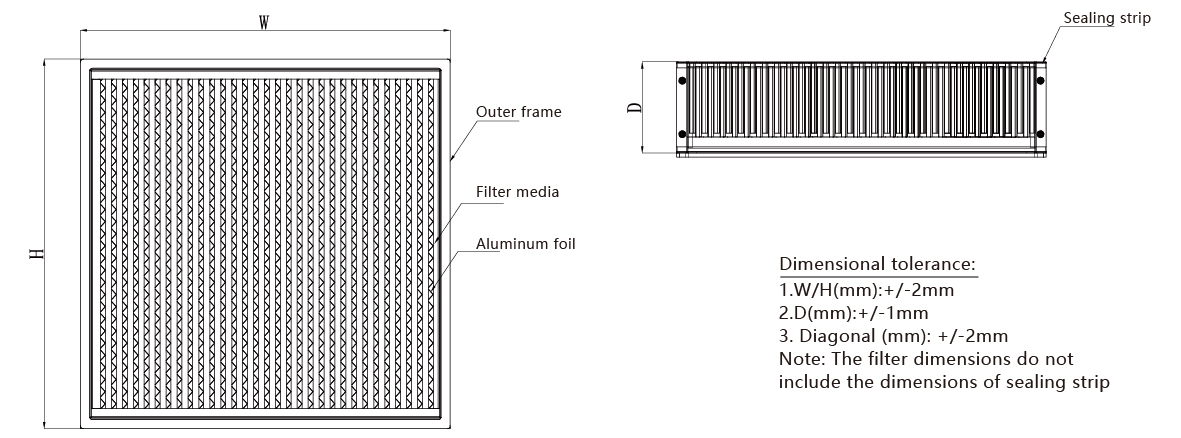
Integrating seamlessly into existing air handling units requires precise dimensional tolerances and a well-engineered physical footprint. The structural design of this HEPA filter element prioritizes a compact form factor without sacrificing the extensive surface area required for high-volume air processing. The robust outer frame—available in galvanized steel, aluminum alloy, or stainless steel—provides a rigid, metallic foundation that resists deformation during transit and installation. This exact sizing ensures a snug, vibration-resistant fit within standard commercial and industrial HVAC housings, eliminating unwanted air bypass around the exterior of the unit.
In highly regulated environments such as life sciences laboratories, healthcare isolation wards, and micro-electronics manufacturing facilities, maintaining strict indoor air quality is non-negotiable. This product serves as the ultimate barrier in a comprehensive three-stage ventilation setup. By acting as the terminal filtration stage, it captures the most elusive microscopic contaminants that bypass initial defenses. The reliability of this final stage dictates the overall cleanliness classification of the room, ensuring that critical industrial processes and sensitive medical procedures remain entirely uncontaminated by airborne particulates.
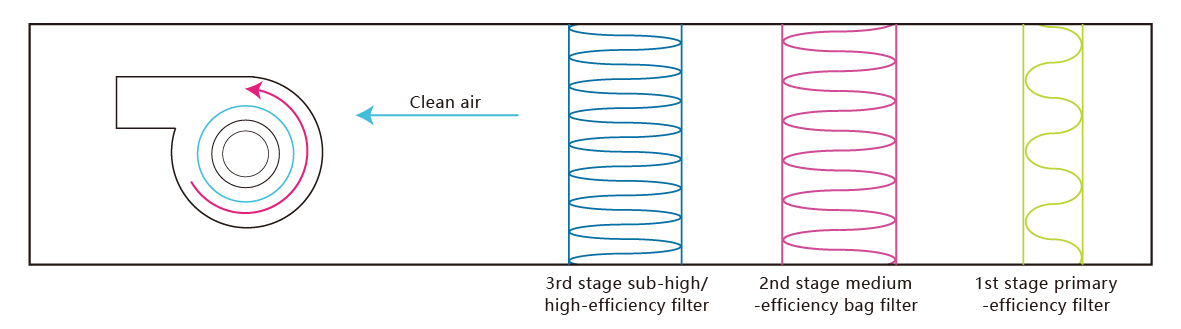
The ultimate cleanliness of any conditioned space is primarily determined by the performance of the terminal filter within the system. To optimize the lifecycle of this premium H13/H14 component, facility engineers strongly recommend the installation of reliable primary and medium-efficiency pre-filters upstream. This strategic layering captures larger debris early, significantly extending the service life of the terminal HEPA element. Consequently, this reduces the frequency of necessary replacements, minimizes maintenance downtime, and drastically lowers long-term operating costs.
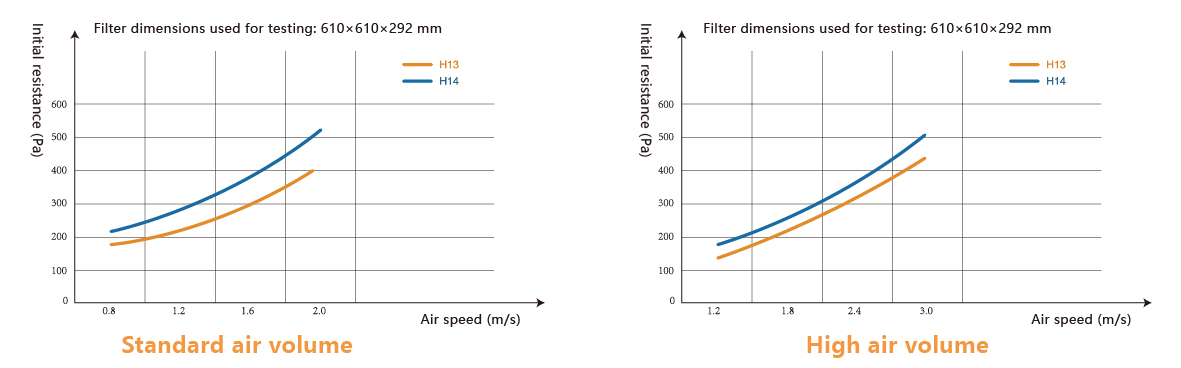
Initial resistance - air speed relationship graph: The aerodynamic efficiency is clearly demonstrated through its performance curve. Even as face velocity approaches 2.5 m/s, the initial pressure drop remains exceptionally low, preventing excessive strain on blower motors and conserving electrical energy throughout continuous operation cycles.
The detailed engineering schematic highlights the precise integration of all physical components. Beyond the core media and frame, the design incorporates a specialized EPDM gasket known for its extremely low chemical diffusivity. This resilient sealing mechanism compresses uniformly against the mounting hardware, adapting to minor surface irregularities to maintain an airtight seal over years of fluctuating temperatures and system vibrations. Additionally, an optional sprayed steel protective mesh can be specified to shield the delicate fiberglass media from accidental physical impacts during transport, routine handling, and final installation, ensuring the unit arrives and operates in flawless condition.