 EnglishEnglish


Views: 0 Author: Site Editor Publish Time: 2026-06-14 Origin: Site


False positives in sterility testing trigger massive financial losses. They cause extensive product hold times. They force complex deviation investigations. Sometimes, they even mandate complete batch rejection. Pharmaceutical quality control needs a much stronger defense against these issues. Regulators clearly recognize this operational vulnerability. Stricter mandates like EU GMP Annex 1 drive a massive industry shift. Facilities are rapidly moving away from traditional open cleanrooms. They are adopting advanced barrier technologies instead. This transition secures product safety and lab efficiency.
This article provides an objective framework. You will learn how to evaluate and specify these crucial systems. We will explore how to validate them for your QC laboratories. The following sections cover core design features and regulatory compliance frameworks. We will also detail robust procurement strategies. You can use this guide to make informed technical decisions. By understanding these principles, you protect your product pipeline.
Transitioning to a closed system eliminates the primary sources of exogenous contamination, drastically reducing false-positive investigation costs.
Modern units must integrate automated decontamination cycles while meeting specific USP, ISO, and EU GMP compliance metrics.
Procurement evaluation should weigh standard vs. custom engineering, and the vendor’s validation (IQ/OQ/PQ) support capabilities.
Proper ergonomic design and mock-up testing are critical to prevent operator fatigue and procedural errors.
Pharmaceutical laboratories face intense pressure to eliminate microbial contamination. You must quantify the actual cost of a false positive. First, consider the immediate product hold times. A single test failure delays batch release by several weeks. Next, calculate the expensive labor required for deviation investigations. Quality assurance teams spend hundreds of hours tracing root causes. Finally, weigh the ultimate risk of complete batch rejection. A robust containment isolator system mitigates these risks entirely. The initial capital expenditure pays for itself quickly. It prevents expensive, time-consuming false-positive investigations.
Operational efficiency provides another compelling argument for upgrading. Compare the background environment requirements between the two options. Traditional Grade A cleanrooms demand massive HVAC infrastructure. They run high air changes per hour continuously. They also enforce rigorous, time-consuming gowning protocols. Conversely, barrier systems typically require only a Grade D or ISO 8 background. This significantly reduces overall HVAC energy consumption. Operators skip complex sterile gowning steps. They can begin testing much faster every shift.
Footprint optimization presents a third major advantage for laboratories. Physical space remains a premium asset in most manufacturing facilities. Expanding an existing traditional cleanroom requires major construction work. It disrupts ongoing lab operations for months. A dedicated unit maximizes your current laboratory footprint. You save physical space while significantly upgrading your testing capabilities. You avoid shutting down adjacent cleanrooms during the installation process.
Material integrity remains absolutely paramount for contamination control. You must specify 316L grade stainless steel for the entire structure. Ensure the metal features a minimal Ra surface finish. Rough surfaces allow persistent microbial adhesion. Smooth surfaces facilitate complete and rapid sterilization. Internal geometry must remain seamless and crevice-free throughout the chamber. Sharp corners trap hazardous biocontamination. They create dead zones where sterilizing vapor cannot easily reach. Careful construction prevents long-term bioburden retention.
Next, evaluate the integrated decontamination systems carefully. Built-in Vaporized Hydrogen Peroxide (VHP) generators offer seamless daily operation. Third-party integrations sometimes suffer from software communication errors. Cycle times drastically impact your daily testing throughput. You must consider aeration phases when reviewing specifications. Faster aeration allows more testing shifts per single day.
Here is a quick comparison chart of decontamination integration methods:
| Integration Type | Pros | Cons |
|---|---|---|
| Built-in VHP Generator | Single interface, optimized aeration, unified validation documentation. | Higher initial unit cost, relies on proprietary manufacturer parts. |
| Third-Party VHP Integration | Can utilize existing mobile VHP units, potentially cheaper upfront. | Complex software handshakes required, typically longer total cycle times. |
Ergonomics dictate long-term operational success for your technicians. A proper aseptic testing enclosure prevents severe operator strain. Technicians conduct extended testing sessions daily. Poor design causes physical fatigue and drops in concentration. You must optimize glove port placement carefully. Request custom mock-up testing before manufacturing officially begins. A wooden or cardboard mock-up lets operators simulate daily workflows.
Validate all material handling pathways during this mock-up phase. Use Rapid Transfer Ports (RTPs) to streamline safe material entry. RTPs minimize physical strain during loading procedures. They drastically reduce human procedural errors. Always involve your tallest and shortest operators in the mock-up testing. This guarantees ergonomic accessibility for your entire team.
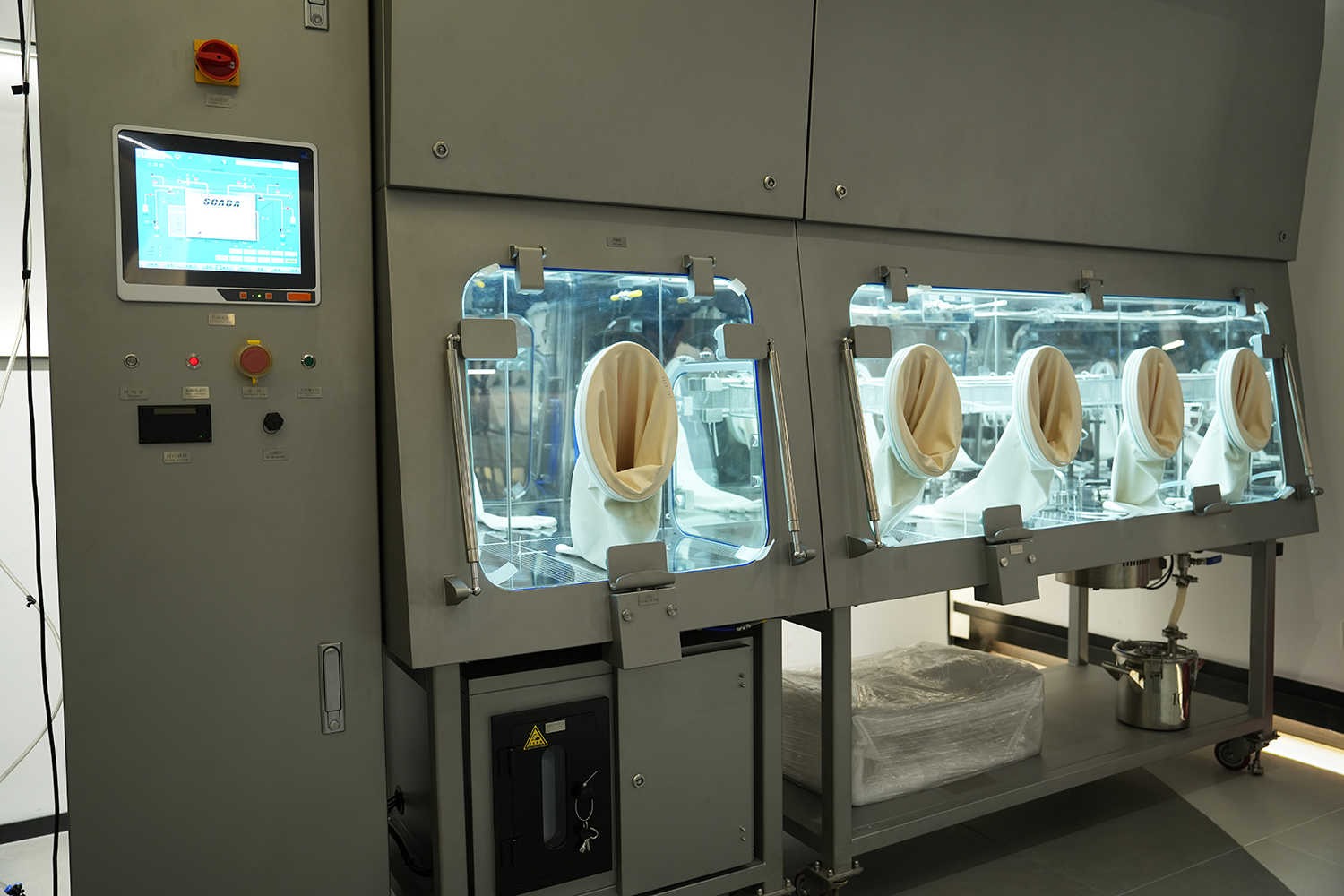
Compliance fundamentally drives the adoption of a pharmaceutical isolator. EU GMP Annex 1 mandates strict barrier technologies for critical processes. Regulators now expect absolute separation between operators and critical zones. Human intervention remains the biggest contamination risk in any laboratory. Advanced enclosures remove this specific variable entirely. They satisfy the most stringent global auditor expectations regarding contamination control strategies.
Pharmacopeia standards provide detailed, actionable guidance for implementation. USP <71> and USP <1208> dictate exact testing environment conditions. They outline acceptable applications for closed aseptic systems. You must align your standard operating procedures strictly around these chapters. They establish the absolute baseline for legally compliant lot release. Ignoring these standards leads to immediate audit observations.
Furthermore, ISO Standard 72836 establishes core engineering rules. It covers operational requirements for specialized healthcare applications. You must ensure your equipment vendor complies completely. The standard dictates stringent leak rate criteria and pressure cascades. Positive pressure maintains the critical zone integrity during operation. It pushes potential room contaminants away from the testing area.
Finally, you must ensure robust audit preparedness before going live. Equipment software requires strict 21 CFR Part 11 compliance. Data integrity remains a top auditor focus globally. Consider these non-negotiable software features for your specification:
Individual user login credentials preventing unauthorized access.
Role-based access controls defining operator versus administrator privileges.
Automated, unalterable electronic cycle logging.
Comprehensive audit trails capturing all alarms and manual overrides.
Cycle development demands rigorous planning and expert execution. You are validating the functional heart of your sterility testing isolator. Performance Qualification (PQ) determines realistic operational timelines. It measures the specific complexity of your laboratory loads. Developing a robust, repeatable cycle often takes several weeks. Do not rush this critical validation phase.
Biological Indicator (BI) mapping proves actual sterilization efficacy. You must establish scientifically sound kill-curves for the chamber. D-value calculations demonstrate a guaranteed 6-log reduction of bacterial spores. Place BIs in the most difficult-to-reach locations internally. Follow this exact sequence for effective BI mapping:
Identify geometric cold spots within the primary chamber.
Place indicators under analytical equipment and near the glove ports.
Run fractional VHP cycles to establish precise baseline D-values.
Execute triple-replicate full cycles to confirm complete lethality.
Material compatibility profiling prevents devastating false negatives. Testing consumables and product packaging can absorb the sterilant gas. VHP off-gassing might inhibit your active pharmaceutical ingredient (API). You must verify your materials withstand the chemical cycle. Ensure they do not absorb residual hydrogen peroxide.
If peroxide penetrates the testing media, it kills the sample microorganisms. The test artificially passes, but the product might actually contain contamination. You must validate the aeration phase thoroughly to prevent this scenario. Conduct specific residual testing to guarantee completely safe aeration levels.
Procuring the right sterility test chamber requires careful internal evaluation. First, decide between standardized and custom-engineered systems. Each approach offers distinct operational and financial advantages. Standard systems offer much faster delivery times. They include predictable, pre-executed validation documentation packages. They generally feature a lower upfront capital cost. If your process follows standard methods, choose a standard unit.
Custom systems handle highly unique lab footprints. They support specialized continuous-batch workflows effectively. They typically cost more and take longer to build. However, they integrate perfectly into complex robotic testing lines. They match your exact internal dimensions and exhaust requirements.
Next, assess the vendor validation services carefully. A comprehensive package includes robust Factory Acceptance Testing (FAT). Do not skip the FAT execution phase. Travel to the manufacturer and inspect the unit personally. Verify alarm functions and physical integrity before shipment.
Your procurement should also require thorough Site Acceptance Testing (SAT). Review the vendor's IQ/OQ execution protocols thoroughly. Good vendors provide thick, well-documented testing binders. They send expert technicians directly to your facility. They help you execute the IQ/OQ steps smoothly. Buying hardware without purchasing the vendor's validation execution package is a common mistake. In-house validation often takes twice as long. It unnecessarily ties up your valuable QC staff.
Investing in barrier technology fundamentally remains a risk-management decision. It is driven by strict regulatory compliance and operational security. Moving away from open cleanrooms eliminates exogenous contamination risks entirely. It protects your brand reputation and your operational bottom line. You gain immense confidence in your daily test results.
We highly recommend standardizing your requirements first. Develop a structured User Requirement Specification (URS) prior to vendor outreach. Define your daily throughput needs, lab space, and load configurations clearly. This strategy ensures accurate quoting and smooth project execution.
Take action today to secure your quality control process. Draft a comprehensive URS document. Request a technical consultation from an experienced equipment vendor. Review detailed specification datasheets to find the perfect match for your laboratory. Proactive equipment upgrades keep your facility ahead of regulatory scrutiny.
A: Regulations generally allow lower-grade backgrounds, often Grade D or ISO 8. The closed system provides the critical Grade A environment internally. However, specific local regulatory interpretations matter heavily. Your product risk profile must dictate the final facility design. Always consult your QA team before finalizing background HVAC specifications.
A: Cycle times vary significantly. They depend on chamber load density, material porosity, and built-in aeration capabilities. A typical cycle ranges from one to four hours. Faster aeration technology can significantly shorten this duration. Optimizing internal load patterns also helps reduce total cycle time.
A: Yes, but you must assess specific logistical realities first. Check doorway clearances and hallway widths carefully. Evaluate floor load capacity, as these units are extremely heavy. You must also plan for HVAC exhaust integration. Careful facility mapping prevents costly installation delays.
A: They have distinct internal airflow requirements. Quality control units often use turbulent flow. Pharmacy compounding units require strict unidirectional airflow. Furthermore, they follow entirely different compliance standards. Testing systems follow USP 71, while compounding systems follow USP 797 guidelines.


