 EnglishEnglish


Views: 0 Author: Site Editor Publish Time: 2025-11-25 Origin: Site


In today's world, where air quality is a growing concern, how do we ensure cleaner environments? Enter the primary air filter. These essential components play a crucial role in air filtration systems, capturing large particles and safeguarding more delicate filters. In this article, you'll learn about the definition and significance of primary air filters, their types, functionalities, and applications across various industries.

Primary air filters come in several types, each designed to tackle specific filtration needs and environments. Understanding these types helps in selecting the right filter for your system.
Baghouse filters use fiber bags as the main filter media. These are common in industrial settings where large amounts of dust and particles need capturing. The fiber bags trap large dust particles effectively, preventing them from entering the system. Baghouse filters are durable and can handle high volumes of air, making them ideal for factories and manufacturing plants.
These filters, often classified as G1 or G2 grade, use cotton materials enhanced with adsorption properties, like activated carbon. They not only capture dust but also absorb odors, harmful gases, and chemical pollutants. This makes them suitable for environments requiring air purification beyond particle filtration, such as areas with chemical fumes or unpleasant odors.
Plate-type folding filters are usually rated as G4 filters. They serve as a pre-filter positioned before high-efficiency filters, capturing larger particles to extend the lifespan of the more sensitive filters downstream. Their folded design increases the surface area, improving dust-holding capacity while maintaining low air resistance. These filters are common in HVAC systems and cleanroom environments.
Made from aluminum alloy or stainless steel frames with corrugated metal screens, these filters are robust and reusable. They block large particles and prevent big objects from entering the system. After cleaning, they can be reused, making them cost-effective for environments where frequent filter replacement is impractical. Their durability suits harsh conditions like industrial plants or outdoor air intakes.
| Filter Type | Key Characteristics | Common Applications | Advantages |
|---|---|---|---|
| Baghouse Filters | Uses fiber bags to capture dust particles | Industrial settings, manufacturing plants | High dust-holding capacity, durable, high air volume |
| Absorbing Cotton Filters | Uses cotton with activated carbon for adsorption and dust removal | Environments with chemical fumes or odors | Captures gases and odors, suitable for chemical environments |
| Plate-type Folding Filters | Folded design, G4-rated, pre-filters larger particles | HVAC systems, cleanrooms, and commercial spaces | Increases surface area, reduces pressure drop, low air resistance |
| Corrugated Metal Filters | Made from aluminum or stainless steel with corrugated metal screens | Harsh industrial conditions, outdoor air intakes | Reusable, durable, cost-effective, can handle harsh conditions |
Primary air filters serve as the initial line of defense in air filtration systems. Their main job is to capture larger particles before the air moves on to more delicate filters. This step is crucial because it protects the system and ensures cleaner air downstream.
Primary filters catch big particles like dust, pollen, hair, and debris right at the start. By doing this, they reduce the load on secondary and high-efficiency filters. This prevents those more sensitive filters from clogging quickly, which helps maintain airflow and system efficiency.
These filters are designed to trap particles typically larger than 5 microns. Examples include visible dust, lint, and even insect parts. By removing these early, the system avoids unnecessary wear and tear. This also improves the overall air quality by cutting down on visible contaminants.
High-efficiency filters, such as HEPA filters, are costly and require careful maintenance. Primary filters protect these by stopping larger particles from reaching them. This extends the life of high-efficiency filters, reducing replacement frequency and saving money on maintenance. It also keeps the system running smoothly, avoiding pressure drops caused by clogged filters.
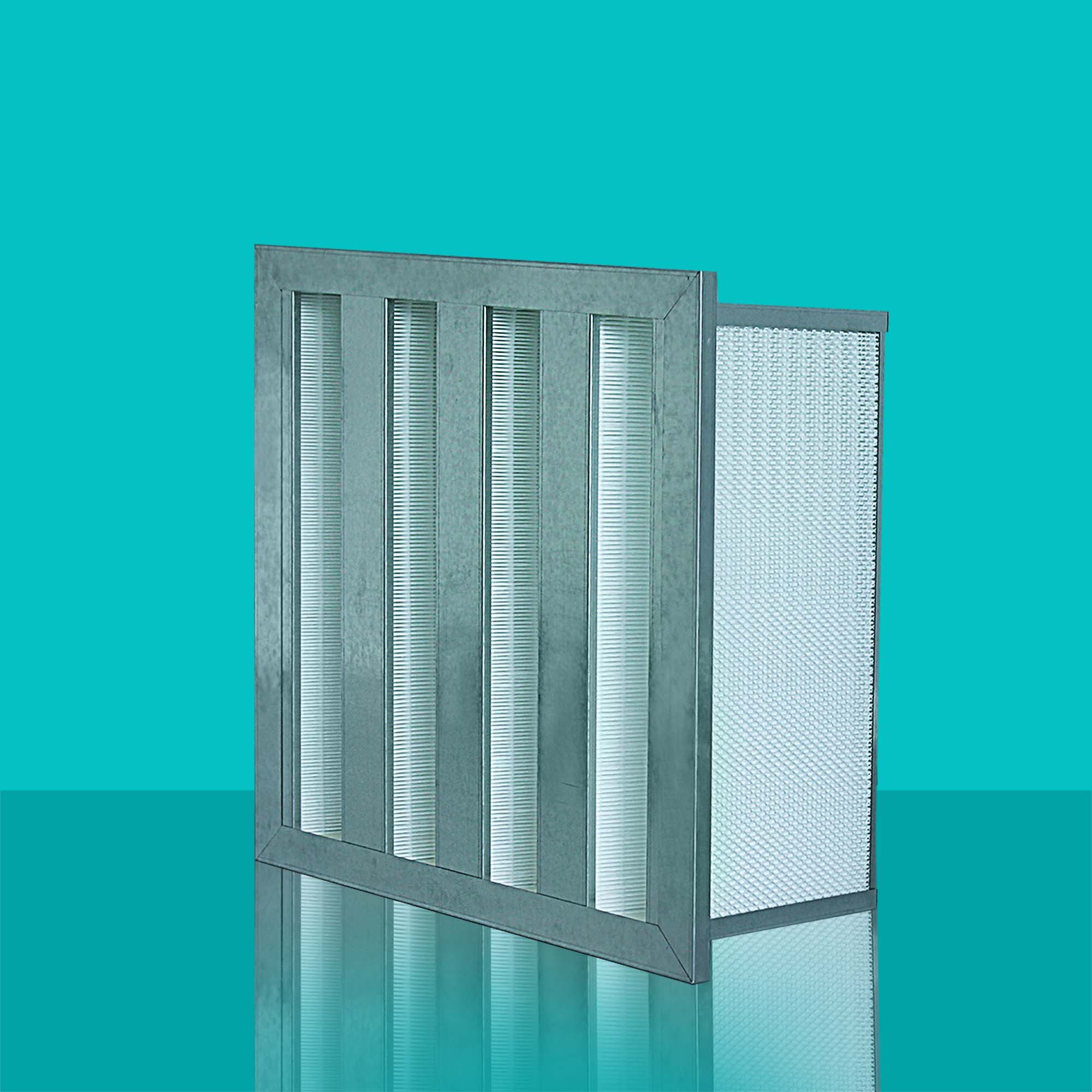
Primary air filters rely on specific materials to balance filtration efficiency, durability, and airflow resistance. These materials include the filter media, frame construction, and protective nets. Each component plays a crucial role in the filter’s overall performance and application suitability.
The filter media is the core material responsible for capturing particles. Common types include:
| Material | Properties | Common Applications | Advantages |
|---|---|---|---|
| Non-woven Fabrics | Lightweight, high porosity, good at trapping large particles | HVAC systems, general dust filtration | Low resistance to airflow, efficient particle capture |
| Nylon Nets | Durable, moisture-resistant, washable | Reusable filters, outdoor air intakes | Easy to clean, resists moisture and chemicals |
| Activated Carbon | Adsorbs gases, odors, and chemicals | Chemical environments, areas with odors | Removes harmful gases and chemicals, enhances air quality |
| Metal Mesh | Made from aluminum or stainless steel, rigid | Industrial settings, outdoor air intakes | Strong, reusable, suitable for harsh conditions |
Frames hold the filter media securely and maintain shape under airflow pressure. Common frame materials include:
Paper Frames: Economical and lightweight, paper frames are common in disposable filters. However, they have limited durability and are unsuitable for humid or wet conditions.
Aluminum Frames: These offer excellent strength and corrosion resistance. Aluminum frames are lightweight yet sturdy, ideal for longer-lasting filters in various environments.
Galvanized Iron Frames: Known for robustness and resistance to rust, galvanized iron frames suit industrial and outdoor applications where durability is critical.
Protective nets shield the filter media from damage and help maintain structural integrity during operation and cleaning. Options include:
Double-sided Plastic Coated Wire Mesh: This mesh protects delicate filter media while resisting corrosion. The plastic coating extends the net’s lifespan in moist or corrosive environments.
Double-sided Galvanized Wire Mesh: Galvanized wire mesh is durable and provides strong protection. It is commonly used in industrial filters exposed to rough handling or harsh conditions.
Primary air filters play a vital role across many industries and environments. Their ability to capture large particles early in the filtration process protects equipment and improves air quality. Here’s a closer look at where these filters are commonly used.
In HVAC (Heating, Ventilation, and Air Conditioning) systems, primary air filters are typically installed at the air intake points, such as rooftop units or air handlers. They trap dust, dirt, and other airborne debris before it reaches more sensitive components. This helps maintain system efficiency and prevents damage or clogging of downstream filters and mechanical parts. By reducing contaminants, they also contribute to better indoor air quality, which is essential for occupant comfort and health.
Cleanrooms require extremely pure air to prevent contamination during sensitive manufacturing or research processes. Primary air filters act as the first barrier, removing larger particles before air passes through medium and high-efficiency filters. This layered filtration approach helps maintain strict particle count limits, critical for pharmaceutical production, electronics assembly, and laboratory work. Using primary filters reduces the load on expensive HEPA or ULPA filters, extending their life and lowering maintenance costs.
Air cleanliness is crucial in food and beverage production to avoid contamination and ensure product safety. Primary air filters in these facilities remove dust, lint, and other large particles from incoming air. This prevents foreign matter from entering production areas, protecting both equipment and products. They work alongside secondary filters in air handling units to maintain hygienic conditions required by food safety regulations. Their use helps maintain consistent product quality and reduces the risk of recalls.
Hospitals and healthcare facilities rely heavily on clean air to protect patients and staff from airborne pathogens and contaminants. Primary air filters serve as the first defense line, capturing larger particles that could carry bacteria or viruses. They help reduce contamination risks in operating rooms, patient wards, and laboratories. By preserving the integrity of downstream high-efficiency filters, primary filters support infection control protocols and promote a safer environment.
Tip: Regularly inspect and replace primary air filters in critical environments like hospitals and food processing plants to maintain optimal air quality and system performance.
Primary air filters offer several key advantages that improve the performance of air filtration systems and promote healthier environments. They serve critical roles in enhancing system efficiency, maintaining indoor air quality, and reducing contamination risks.
Primary filters act as the first barrier against large particles such as dust, pollen, and debris. By capturing these contaminants early, they prevent the clogging of secondary and high-efficiency filters downstream. This reduces the frequency of filter replacements and maintenance costs. When primary filters work effectively, airflow remains steady, and the entire system operates smoothly. This leads to lower energy consumption and extends the lifespan of expensive components. For example, in HVAC systems, a clean primary filter means the blower motor doesn’t have to work as hard to push air through the system, saving energy and reducing wear.
Large particles are often visible and can cause discomfort or health issues such as allergies and respiratory irritation. Primary air filters trap these particles before they circulate indoors, improving air cleanliness. This is especially important in environments like offices, schools, and homes, where people spend most of their time. By removing dust and debris early, primary filters help maintain a fresher, healthier atmosphere. They also reduce the buildup of dust on surfaces and equipment, lowering cleaning needs and improving overall comfort.
In sensitive environments such as hospitals, cleanrooms, and food processing facilities, controlling airborne contaminants is crucial. Primary filters capture large particles that could carry bacteria, viruses, or other harmful agents. This initial filtration step reduces the contamination load on high-efficiency filters, which then focus on finer particles. As a result, the risk of airborne infection or product contamination decreases significantly. For instance, in healthcare settings, primary filters help maintain sterile conditions by preventing dust and microbes from entering critical areas.
Tip: Regularly inspect and replace primary air filters to sustain system efficiency and protect indoor air quality, especially in environments with high contamination risks.
Selecting the right primary air filter is essential to ensure your air filtration system works efficiently and lasts longer. The choice depends on several factors, including the environment, specific needs, and the type of particles you want to capture.
| Factor to Consider | Recommendation | Ideal Filter Type |
|---|---|---|
| Particle Size and Type | Determine the type of particles in the air | Baghouse for large particles, Absorbing Cotton for gases |
| Airflow Resistance | Balance between efficiency and airflow resistance | Plate-type folding for low resistance, Baghouse for high volume |
| Durability and Maintenance | Choose based on frequency of cleaning or replacement | Corrugated Metal for industrial settings, Nylon for washable use |
| Compatibility | Ensure filter fits system specifications | Plate-type folding filters for HVAC, Corrugated Metal for harsh environments |
| Cost | Factor in upfront cost and maintenance | Absorbing Cotton for cost-effective, high-volume use |
Industrial Settings: Heavy dust and large particles call for robust filters like baghouse or metal mesh filters.
Indoor Commercial Spaces: Plate-type folding filters with low resistance work well in offices and schools.
Chemical or Odorous Environments: Absorbing cotton filters with activated carbon help remove harmful gases and odors.
Cleanrooms and Healthcare: High cleanliness demands require filters that protect downstream high-efficiency filters, so G4-rated plate-type folding filters are common.
HVAC Systems: Choose filters that protect sensitive components and maintain airflow, such as plate-type folding filters or absorbing cotton filters.
Food and Beverage Industry: Select filters that prevent contamination but also comply with hygiene standards.
Hospitals: Use filters that minimize infection risk by capturing larger particles without compromising airflow.
Outdoor Air Intakes: Durable, reusable filters like corrugated metal screens resist weather and debris.
Primary air filters are crucial for capturing large particles and protecting high-efficiency filters. They enhance system efficiency, maintain air quality, and reduce contamination risks. Selecting the right filter depends on environmental conditions and specific needs. Cigeair offers advanced primary air filters that ensure optimal performance and cost-efficiency. Their products provide value by balancing filtration efficiency with durability, making them ideal for various applications. Trust TKSAGE to deliver reliable solutions for cleaner, healthier air environments.
A: In HVAC systems, a primary air filter traps dust and debris at the air intake, maintaining system efficiency and improving indoor air quality.
A: Baghouse filters are ideal for industrial environments due to their durability and ability to capture large dust volumes, ensuring efficient air filtration.
A: Primary air filters enhance system efficiency, maintain indoor air quality, and reduce contamination risks by capturing large particles early in the filtration process.


