 EnglishEnglish


Views: 0 Author: Site Editor Publish Time: 2025-11-28 Origin: Site


Have you ever wondered what keeps the air in your home fresh and clean? The answer lies in a simple device: the air filter. Air filters trap dust, pollen, and other particles, ensuring you breathe cleaner air. In this post, you'll learn what an air filter is, its significance, and how it enhances indoor air quality.
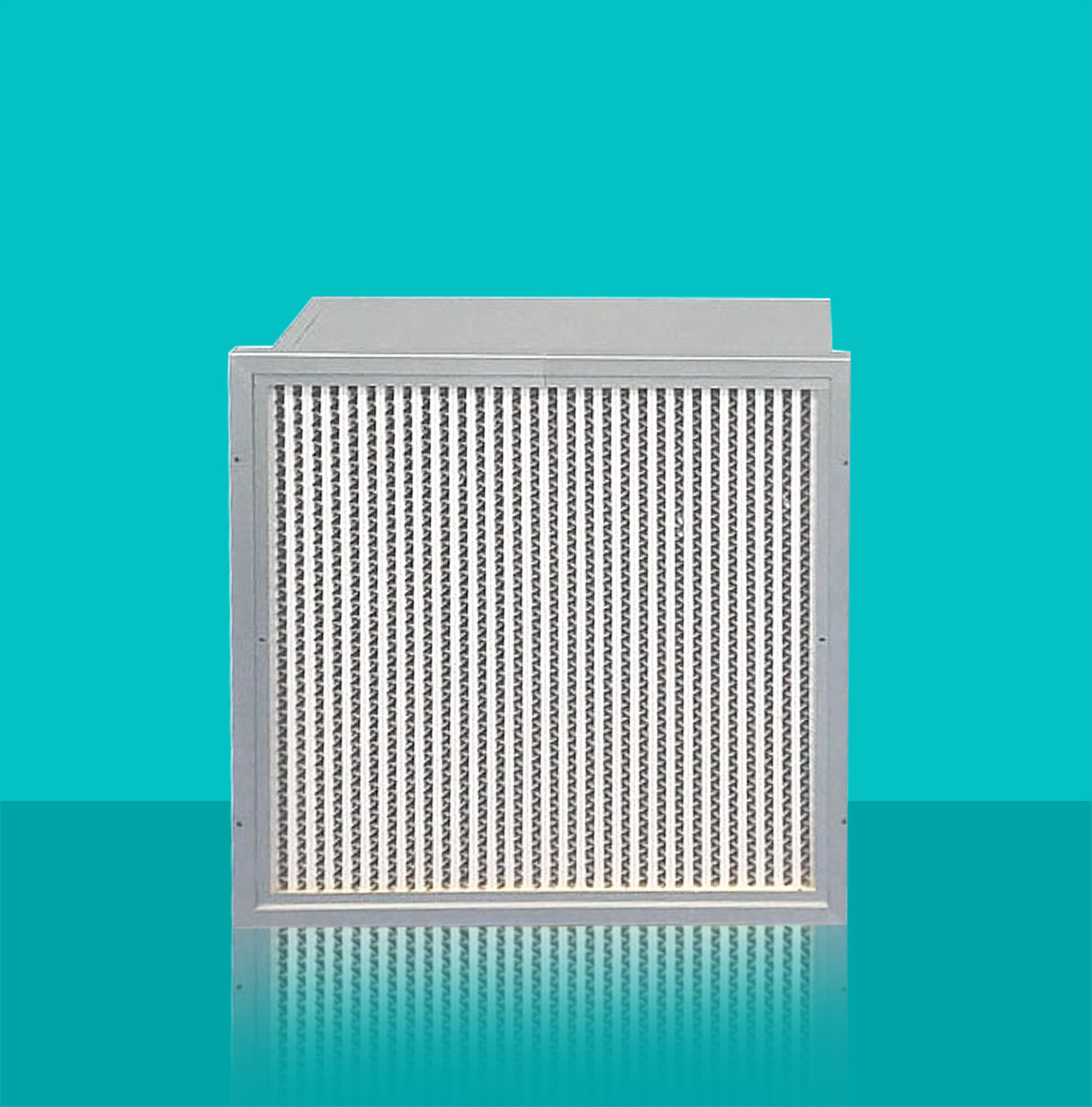
Air filters act like sieves for the air flowing through your HVAC system. They trap dust, pollen, pet dander, and other airborne particles, stopping these from spreading inside your home or office. As air passes through the filter, particles get caught in the filter's material, while clean air continues on its way.
The filtering process relies on the filter's structure. Most filters use tightly woven fibers or mesh to catch particles. Larger particles get trapped on the surface, while smaller ones get stuck within the filter fibers. This layered trapping ensures that the air reaching your space is much cleaner.
| Filter Type | Particle Size Captured | Main Benefits | Applications |
|---|---|---|---|
| Fiberglass Filters | Larger particles like dust and lint | Affordable, simple, good for basic filtration | Basic HVAC systems, low-demand environments |
| Pleated Filters | Dust, pollen, mold spores | Better surface area, longer lifespan, more efficient | Homes with pets, allergy sufferers, general use |
| HEPA Filters | Particles as small as 0.3 microns | High-efficiency, traps allergens and bacteria | Hospitals, cleanrooms, allergy relief |
| Carbon Filters | Particles, gases, odors | Absorbs odors, neutralizes gases, traps particles | Kitchens, smoking areas, areas with chemical odors |
Each type uses a slightly different method to trap particles but shares the goal of improving air quality and protecting HVAC equipment.
Fiberglass filters are the simplest and most affordable option. They consist of layered fiberglass fibers that trap large particles like dust and lint. These filters protect HVAC systems from big debris but don’t capture smaller allergens such as pollen or mold spores. Because of their basic design, fiberglass filters need to be replaced frequently and are best suited for environments where air quality demands are low.
Pleated filters offer a step up in performance. Made from folded fabric or paper, their pleated design increases surface area, allowing them to trap finer particles like pollen, dust mites, and mold spores. They provide better filtration than fiberglass filters and are a popular choice for households with pets or allergy sufferers. Pleated filters also tend to last longer, making them more cost-effective over time.
HEPA (High-Efficiency Particulate Air) filters are the gold standard in air filtration. They capture at least 99.97% of particles as small as 0.3 microns, including dust, pollen, pet dander, smoke, and even some bacteria and viruses. Their dense, randomly arranged fiberglass fibers trap contaminants through diffusion and interception. HEPA filters are ideal for people with allergies, asthma, or respiratory conditions and are often used in hospitals, clean rooms, and homes seeking superior air quality.
Carbon filters use activated carbon to absorb odors, gases, and volatile organic compounds (VOCs) from the air. While they also trap particles, their main strength lies in neutralizing smells like smoke, cooking odors, and chemical fumes. These filters are often combined with other filter types to provide both particle filtration and odor control, making them a great choice for kitchens, smoking areas, or spaces with pets.
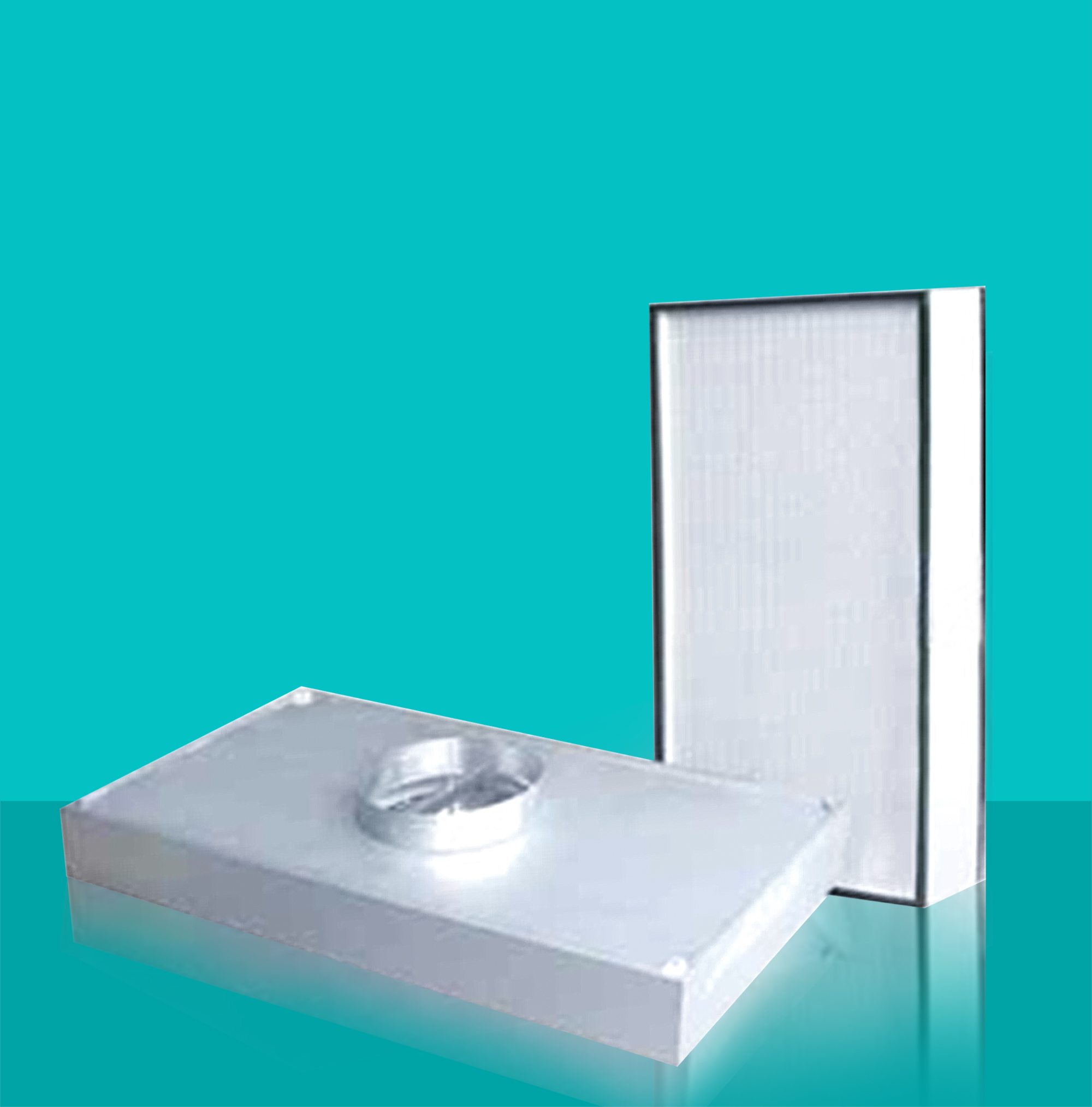
Air filters play a vital role in enhancing the air you breathe indoors. They trap dust, pollen, pet dander, mold spores, and other airborne particles before these can circulate through your home or office. This reduction in allergens helps people with asthma, allergies, or respiratory conditions breathe easier and feel more comfortable. Cleaner air also means fewer irritants that can cause headaches, fatigue, or other health issues.
Using the right air filter type, such as HEPA filters, can capture even the tiniest particles, including some bacteria and viruses. This makes your indoor environment healthier and safer for everyone, especially children, elderly, or those with compromised immune systems.
Air filters protect your HVAC system from dirt and debris buildup. Without a filter, dust and particles would settle on critical components like coils, fans, and ducts. This buildup can cause your system to work harder, leading to wear and tear or even breakdowns.
By trapping contaminants early, air filters keep your HVAC system cleaner, reducing maintenance needs and extending its lifespan. This protection means fewer repairs and less downtime, saving you time and money in the long run.
A clean air filter allows air to flow freely through your HVAC system. When filters get clogged, airflow is restricted, forcing the system to consume more energy to maintain desired temperatures. This extra effort increases your utility bills.
Regularly replacing or cleaning air filters improves airflow, helping your system run efficiently. Efficient operation uses less energy, which lowers your monthly costs and reduces your carbon footprint. Over time, this can add up to significant savings.
Tip: For B2B readers, schedule routine air filter inspections and replacements to maximize HVAC efficiency, reduce operational costs, and maintain a healthy indoor environment for employees and clients.
Knowing when to replace your air filter is key to maintaining clean air and efficient HVAC performance. Here are some clear signs your air filter might be dirty and overdue for a change:
Reduced Airflow: If you notice weaker air coming from your vents, the filter may be clogged, restricting airflow.
Increased Dust: More dust settling on furniture and surfaces suggests the filter isn’t trapping particles effectively anymore.
Unpleasant Odors: Lingering smells, even after airing out your space, can indicate a dirty filter harboring trapped contaminants.
Higher Energy Bills: A clogged filter forces your HVAC system to work harder, raising energy consumption and costs.
Visible Dirt: If you remove the filter and see it covered in dust, dirt, and debris, it’s time to replace it.
Allergy Flare-ups: Increased allergy symptoms or respiratory discomfort indoors may mean your filter isn’t filtering allergens properly.
How often you replace your air filter depends on several factors including filter type, household conditions, and usage:
| Filter Type | Recommended Replacement Frequency | Considerations for Replacement |
|---|---|---|
| Standard Filters | Every 1-3 months | Dependent on usage, dust levels, and household conditions |
| Homes with Pets | Monthly to every 1-2 months | Pet hair and dander clog filters faster |
| Dusty or High-Pollution Areas | Every month | Increased particle load due to dust or pollution |
| HEPA Filters | Every 3 months | High-efficiency filters need regular replacement to maintain performance |
| Seasonal Changes | During allergy seasons or extreme temperatures | Filters may clog faster due to seasonal pollen or increased system use |
Regularly inspecting your filter monthly helps catch when it needs changing. Many modern HVAC systems have indicators or alerts to remind you. Replacing filters on schedule keeps your system running smoothly, saves energy, and ensures healthy air quality.
In vehicles, air filters play a crucial role in keeping the engine running smoothly. They clean the air entering the engine by trapping dust, dirt, pollen, and other debris. This clean air is essential for the combustion process, where air mixes with fuel to power the engine. Without a clean air filter, harmful particles can enter the engine, causing damage to internal parts like cylinders and pistons. This damage may lead to reduced engine performance and costly repairs.
A clean air filter ensures the engine breathes properly. It allows the right amount of air to mix with fuel, supporting efficient combustion. When the filter is clogged, airflow is restricted, causing the engine to struggle. This results in sluggish acceleration, rough idling, and less power, especially noticeable when driving uphill or towing. Keeping the air filter clean helps maintain smooth engine operation and prolongs its lifespan.
Air filters also affect how much fuel your vehicle uses. The engine needs a precise balance of air and fuel to run efficiently. A clogged air filter limits airflow, causing the engine to burn more fuel to compensate for less oxygen. This imbalance leads to decreased fuel efficiency and higher fuel costs.
Replacing a dirty air filter with a clean one can improve gas mileage by up to 10%, depending on driving conditions and vehicle type (example data, verify for specific cases). Clean filters reduce emissions too, making your vehicle more environmentally friendly. Regular maintenance of air filters is a simple way to save money at the pump and reduce your carbon footprint.
Check your vehicle’s air filter every 12,000 to 15,000 miles or as recommended by the manufacturer.
Replace filters more often if you drive in dusty, off-road, or polluted areas.
Look for signs like reduced acceleration, strange engine noises, or visible dirt on the filter.
Use high-quality air filters designed for your vehicle model to ensure proper fit and performance.
Air purifiers and air filters both help improve air quality, but they serve different roles and work in distinct ways.
Air filters are built into HVAC systems to clean the air circulating throughout your entire home or building. They trap dust, pollen, pet dander, and other airborne particles as air passes through the system. Their main goal is to protect HVAC equipment and improve overall indoor air quality by filtering large volumes of air continuously.
Air purifiers, on the other hand, are standalone devices designed to clean the air in a specific room or area. They use various technologies such as HEPA filters, activated carbon, UV light, or ionizers to capture or neutralize pollutants like allergens, smoke, odors, and even some bacteria and viruses. Because air purifiers operate independently, they focus on smaller spaces rather than whole-house air circulation.
In short, air filters work as part of your HVAC system to filter the air flowing through ducts, while air purifiers target localized air cleaning, often providing more intensive filtration or odor control for particular rooms.
For the best indoor air quality, many experts recommend using both air filters and air purifiers together. Here’s why:
Whole-Home Filtration: Your HVAC air filter cleans the air that circulates throughout your home, reducing the overall level of dust, allergens, and pollutants. This provides a baseline of cleaner air everywhere.
Targeted Purification: Air purifiers can be placed in high-use rooms like bedrooms, living rooms, or home offices to provide extra cleaning power. They can capture smaller particles, neutralize odors, and reduce airborne germs in these spaces.
Complementary Benefits: While HVAC filters trap particles as air moves through the system, air purifiers can actively remove pollutants and odors from the air in real time, improving comfort and health in specific areas.
Flexibility: Air purifiers can be moved to different rooms as needed or used in spaces without HVAC coverage, such as basements or older homes without ductwork.
Air filters are essential for trapping dust, pollen, and other particles, enhancing indoor air quality and protecting HVAC systems. Different types, like HEPA and carbon filters, offer varying levels of filtration. Regular maintenance ensures efficiency and cost savings. For optimal air quality, combining air filters with air purifiers is beneficial. Cigeair offers advanced air filtration solutions tailored to your needs, ensuring superior air quality and system protection.
A: An air filter traps dust, pollen, pet dander, and other airborne particles, improving indoor air quality and protecting HVAC systems.
A: Replace standard air filters every 1-3 months; more frequently if you have pets or live in a dusty area.
A: HEPA filters capture 99.97% of particles as small as 0.3 microns, ideal for allergy sufferers and improving air quality.
A: A clean air filter ensures optimal airflow, reducing energy consumption and lowering utility bills.


