 EnglishEnglish


Views: 0 Author: Site Editor Publish Time: 2026-07-13 Origin: Site


Contamination control at the personnel boundary represents a critical point of failure in pharmaceutical manufacturing. Even microscopic particles carried by operators can jeopardize entire batches of life-saving sterile products. Relying solely on manual gowning protocols leaves facilities vulnerable to inevitable human error.
An air shower acts not just as a standard transitional space, but as an active regulatory compliance tool for cGMP and ISO-certified facilities. It forms a dynamic physical barrier protecting your most sensitive clean zones from outside pollutants.
We designed this comprehensive guide to provide a rigorous evaluation framework for selecting a cleanroom air shower for pharmaceutical entry. You will discover how to assess precise filtration efficacy and ensure strict material compliance. You will also learn how to seamlessly integrate these sophisticated units into your existing access control systems.
Validation is non-negotiable: System performance relies on verifiable HEPA filtration integrity and standard-compliant airflow velocities (typically 20-25 m/s).
Access integration matters: Effective units function as strict environmental barriers through electronic interlocking systems that enforce personnel SOPs.
Material selection dictates lifespan: Pharmaceutical environments require high-grade stainless steel (304 or 316L) to withstand aggressive sterile cleaning protocols without degrading.
Maintenance dictates uptime: Procurement must factor in total cost of ownership, including filter replacement accessibility and blower motor durability.
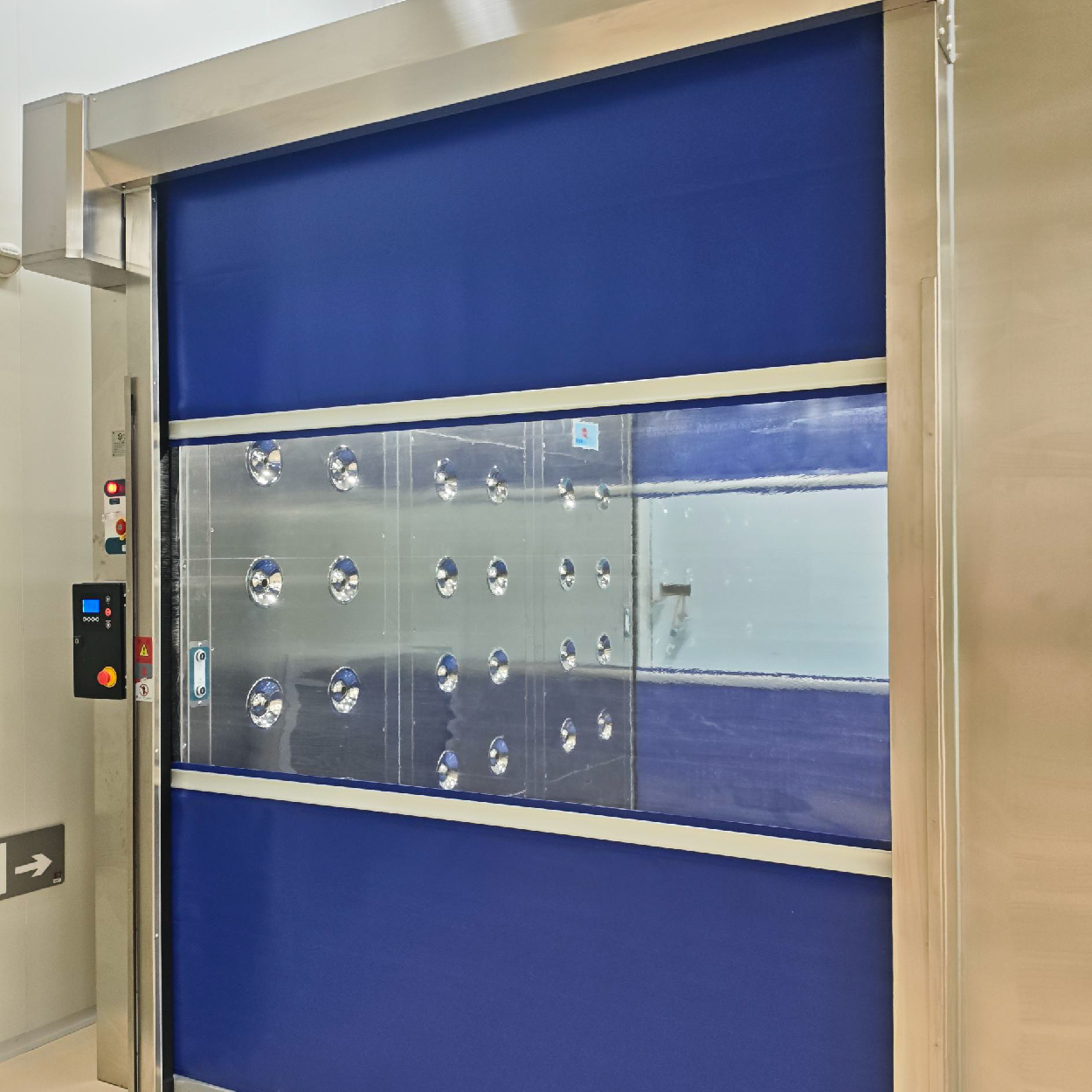
Achieving cGMP compliance demands strict control over personnel transition zones. These zones directly impact your ISO 14644 classifications. Moving operators from an unclassified corridor into an ISO 8 gowning area requires physical barriers. Progressing from ISO 8 into an ISO 7 production zone demands even tighter controls. Regulators closely scrutinize these boundary areas during facility audits. If a transition zone fails, microscopic contaminants inevitably enter the production environment.
Managing personnel flow dynamics presents unique contamination challenges. Humans naturally shed millions of skin cells every hour. Even fully gowned operators carry residual particles on the exterior of their Tyvek suits. These particles transfer easily into clean environments through standard doorways. A transition zone must actively strip these loose particles away. Relying on passive airlocks often falls short for high-volume entry points. You need active mechanical scrubbing provided by high-velocity air jets.
You face significant financial and operational risks without adequate particulate removal at the boundary line. We often see the following consequences when facilities neglect transition zones:
Immediate cross-contamination of sterile drug batches.
Costly product recalls causing severe reputational damage.
Unexpected facility downtime during intensive re-sterilization procedures.
Failed regulatory audits leading to production halts.
Defining success requires looking beyond basic mechanical functionality. A successful deployment seamlessly removes surface particulate from operator garments. It must also maintain positive pressure differentials between varying cleanroom classifications. You want the system to actively repel unfiltered air during shift changes. The unit essentially functions as an active pressure plenum. This prevents dirty air from rushing into cleaner zones when doors open.

Any reliable HEPA filter used in pharmaceutical environments must meet strict technical baselines. They typically require 99.99% efficiency at removing particles 0.3 microns in diameter. This standard ensures maximum particulate capture before air recirculates. Some highly potent drug facilities upgrade to ULPA filters. However, HEPA remains the standard baseline for general pharmaceutical manufacturing.
Airflow mechanics dictate how well the system dislodges contaminants. High-velocity jets physically break the boundary layer of particulate resting on cleanroom garments. Nozzle velocity matters immensely here. Air must hit the garments at strategic angles to shear particles away effectively. You should adjust directional nozzles to target high-risk areas. Shoulders, waistlines, and lower legs typically accumulate the most particles. Properly aimed air jets strip these particles downward toward floor-level returns.
Pre-filters play a crucial supporting role in the overall filtration ecosystem. They capture larger dust particles, hair, and lint before they reach the main filter. This dual-stage approach significantly extends the lifespan of the more expensive primary filter. You should inspect pre-filters monthly and replace them quarterly. Failing to maintain pre-filters chokes the blower motor. This reduces nozzle velocity and ruins the particle-shearing effect.
Buyers must demand factory testing documentation before accepting delivery. You need undeniable proof of sterile filtration integrity. Always ensure new units feature built-in DOP/PAO test ports. Technicians use these ports to inject challenge aerosols during certification. On-site validation capabilities remain crucial for proving ongoing performance over time. A unit lacking accessible test ports will fail future certification audits.
Choosing between closed-loop recirculation and single-pass configurations depends on your specific pharmaceutical entry needs. Recirculating systems constantly filter and reuse interior air. Single-pass systems draw fresh air, wash the operator, and exhaust it completely outside. We provide a comparison framework below to guide your specific choice.
Configuration Comparison Chart
| Configuration Type | Primary Airflow Mechanism | Ideal Pharmaceutical Application | Relative Energy Consumption |
|---|---|---|---|
| Closed-Loop Recirculation | Filters and reuses air continuously | Standard cGMP gowning zones | Highly efficient (lower energy) |
| Single-Pass (Exhaust) | Draws external air and exhausts fully | Hazardous or highly toxic powder areas | Higher operational energy |
Evaluating construction materials involves strict evaluation criteria. Standard cold-rolled steel often suffices for basic electronics manufacturing. However, a pharmaceutical grade environment strictly demands 304 or 316L stainless steel. These high-grade alloys offer necessary chemical resistance. They easily withstand aggressive sterilants like vaporized hydrogen peroxide (VHP), isopropyl alcohol, and commercial sporicides. Over time, lesser metals corrode, rust, and shed particles directly into your sterile airstream.
Design for cleanability actively prevents biological harboring. We highly recommend prioritizing seamless interiors and coved corners. Ninety-degree angles trap dirt and resist manual wiping. Coved corners provide smooth radius transitions. Flush-mounted lighting eliminates physical ledges where dust settles. These deliberate design choices prevent particle accumulation in hard-to-reach areas.
Visibility and lighting also require careful material consideration. Door panels usually feature tempered safety glass. This material resists shattering and withstands chemical wiping. Avoid polycarbonate or acrylic viewing windows. Strong cleaning agents cause acrylic to turn cloudy and brittle over time.
Structural sealing prevents air bypass. Manufacturers must seal every internal joint using pharmaceutical-grade silicone. Any gap in the structural housing allows unfiltered ambient air to bypass the filtration system. During the procurement phase, ask vendors how they seal internal seams. Fully welded seams offer superior protection compared to bolted panels reliant entirely on rubber gaskets.
Facility managers must carefully analyze the trade-offs between floor and floorless designs. A built-in grated floor provides dedicated return air pathways. This maximizes airflow efficiency and particle capture at the lowest physical point. Alternatively, a floorless design allows easier cart access. Floorless models integrate much faster into existing cleanroom equipment footprints. Operators can simply roll heavy supply carts directly through the chamber. You must evaluate your primary traffic type before choosing a base design.
Electromagnetic interlocking door systems prevent simultaneous opening. They act as dynamic airlocks enforcing personnel SOPs. By locking one door while the other opens, they protect sterile zones from sudden pressure drops. This prevents operators from simply walking through the chamber without completing a full cleaning cycle. The interlock mechanism guarantees compliance regardless of human impatience.
Modern access control goes beyond simple magnetic locks. Advanced systems incorporate smart sensors and data logging capabilities. Photoelectric sensors detect when an operator enters the chamber. This automatically triggers the blow cycle without requiring manual button presses. Touchless activation reduces cross-contamination risks significantly.
Cycle customization heavily influences daily throughput. Programmable logic controllers (PLCs) allow administrators to adjust blow times and purge cycles. You must balance optimal particulate removal with shift-change efficiency. Long cycles clean better but create frustrating bottlenecks during shift changes. A common best practice involves setting a baseline 15-second blow cycle. You should follow this using a 5-second purge cycle. The purge clears contaminated air before the interior door unlocks.
Data logging helps quality assurance teams track personnel movement. Some programmable controllers integrate directly with facility management software. They record every entry, exit, and cycle completion. If an operator forces a door open prematurely, the system logs the exact time and triggers an alarm. This audit trail proves invaluable during regulatory inspections. You can objectively demonstrate your personnel follow entry protocols.
Emergency mechanisms represent non-negotiable safety features. Standard safety requirements include clearly marked emergency stop buttons inside and outside the chamber. Power-failure door releases ensure personnel never get trapped inside during grid outages. Modern systems automatically release magnetic locks when the power cuts. Always verify system compliance against local fire codes before finalizing installation plans.
Retrofitting older facilities introduces complex logistical challenges. The installation footprint requires careful planning. Modular designs ship in separate panels for tight hallways. Pre-assembled units offer faster setup if your loading docks accommodate their size. We strongly advise measuring every doorway along the delivery route. Countless projects face delays because a fully assembled chamber cannot fit through a standard service corridor.
The validation process proves the installed system meets its intended design specifications. You must execute rigorous on-site testing protocols before initiating production use. The standard validation sequence includes three distinct phases:
Installation Qualification (IQ): Verifies proper assembly and component delivery against factory blueprints. Technicians check electrical connections, seal integrity, and physical dimensions.
Operational Qualification (OQ): Confirms electronic interlocks, PLC controls, and blower motors function correctly. This phase proves the doors lock and unlock exactly as programmed.
Performance Qualification (PQ): Measures airflow velocities and verifies sterile filtration integrity under simulated shift loads. Testers run PAO smoke through the system to detect microscopic seal leaks.
Following initial validation, ongoing testing intervals keep your facility compliant. Industry guidelines mandate recertification every six to twelve months. Technicians must verify airflow velocities using calibrated anemometers. They map the chamber to ensure no dead zones exist. If the velocity drops below 20 m/s, the system loses its cleaning efficacy.
Long-term maintenance strategies determine long-term equipment uptime. You should evaluate systems based on practical serviceability. Look for easy access panels for pre-filters and main filters. Prioritize standard-sized, non-proprietary replacement parts. Proprietary filters force you into expensive vendor lock-in. Reliable blower motor life expectancies ensure steady performance across thousands of cycles. Motor vibration and bearing wear gradually degrade performance over time. Preventive maintenance schedules should include regular motor inspections to catch bearing failure early.
Your procurement decision matrix should prioritize verifiable filtration performance above all else. Robust stainless steel construction guarantees chemical resilience against daily sanitization. Secure interlocking access physically enforces necessary personnel protocols.
We highly recommend engaging directly with engineering teams early in your facility design phase. Early collaboration ensures the chosen system aligns perfectly with overarching contamination control strategies. Retrofitting a poorly chosen unit disrupts production and compromises sterile boundaries.
Review current technical specification sheets today. Request a specialized consultation to discuss custom facility integration options. Building a robust defense against micro-contaminants secures your product quality and protects your operational efficiency.
A: The industry standard for airflow velocity typically ranges from 4,000 to 8,000 feet per minute (FPM), which equals roughly 20 to 25 meters per second (m/s). This high-velocity force is required to effectively break the boundary layer and dislodge surface particles from cleanroom garments before personnel enter sterile zones.
A: Lifespan heavily depends on daily usage volume and consistent pre-filter maintenance. Under standard pharmaceutical operational conditions, replacements typically range from 1 to 3 years. However, exact replacement schedules remain subject to mandatory annual PAO integrity testing to ensure ongoing regulatory compliance.
A: While these systems feature interlocking doors and act similarly to airlocks, they serve distinct primary functions. Traditional airlocks primarily focus on pressure stabilization between adjacent rooms. Conversely, shower units prioritize active particulate removal via high-velocity air jets. Facilities often use them together for comprehensive environmental protection.
A: Securing cGMP compliance requires a comprehensive paperwork trail. Essential documentation includes Factory Acceptance Testing (FAT) results, complete material certifications for all stainless steel components, and fully executed Installation, Operational, and Performance Qualification (IQ/OQ/PQ) protocols. You also need standardized reports verifying filter integrity and airflow velocities.


