 English




loading
Cigeair
| Availability: | |
|---|---|
| Quantity: | |


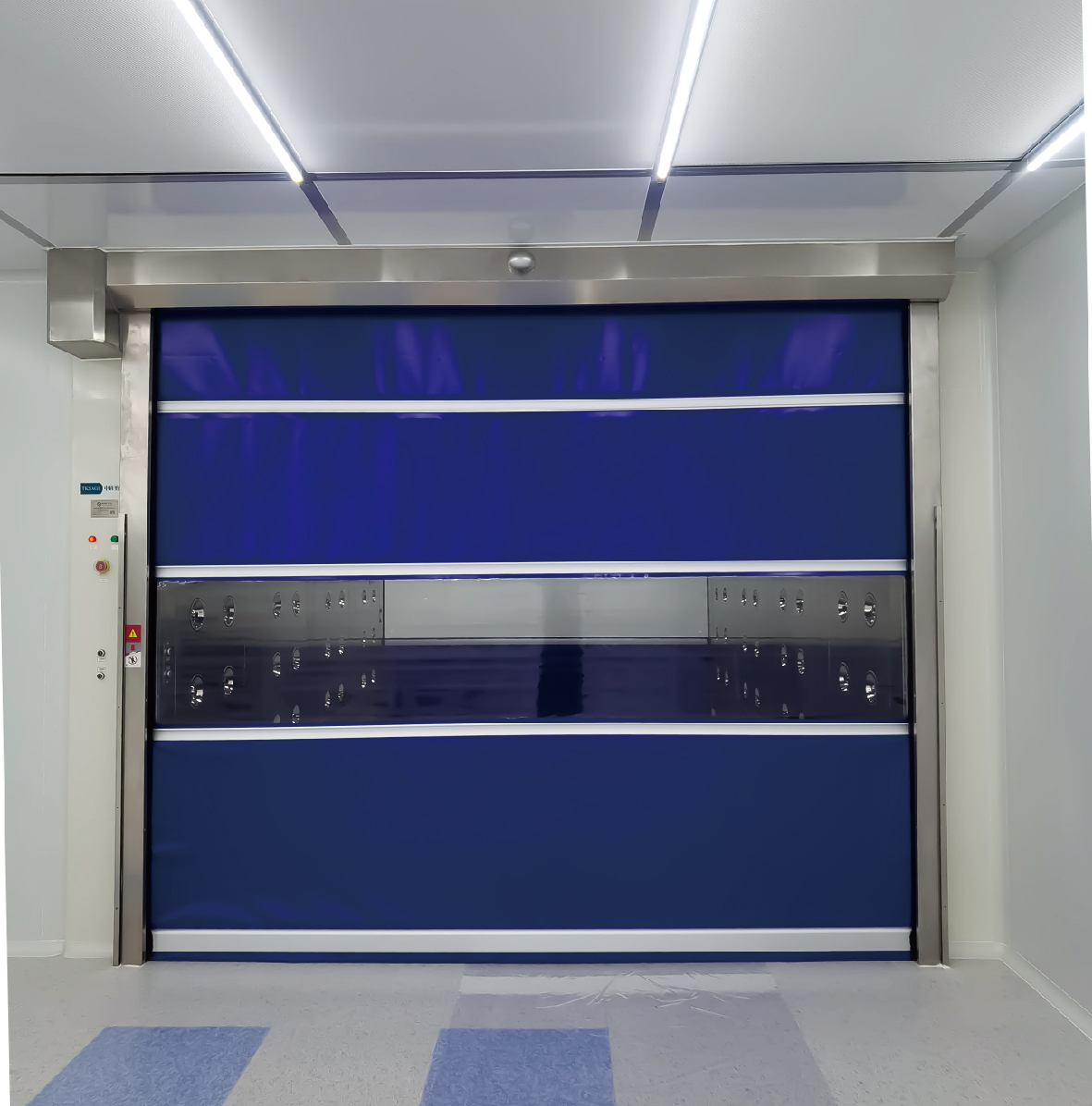
Maintaining uncompromising contamination control in busy production facilities requires equipment that can handle heavy usage without slowing down operations. This automatic roller door goods shower room is constructed with a robust SUS304 or SUS201 stainless steel framework, providing exceptional resistance to harsh cleaning agents and environmental wear. The core barrier features a 2mm thick, high-density rapid rolling curtain designed to endure over 100,000 opening and closing cycles. When personnel or material transport trolleys approach, the door ascends in approximately two seconds, accompanied by the smooth mechanical hum of the industrial motor. Once inside, the system unleashes a high-velocity purification airflow through 360-degree adjustable stainless steel nozzles, driven by H13 or H14 HEPA filters. This powerful air stream physically dislodges and captures micro-particles from the surfaces of large cargo, ensuring that only thoroughly decontaminated materials enter your critical production zones. The rapid cycle times significantly elevate logistical throughput in demanding manufacturing settings.
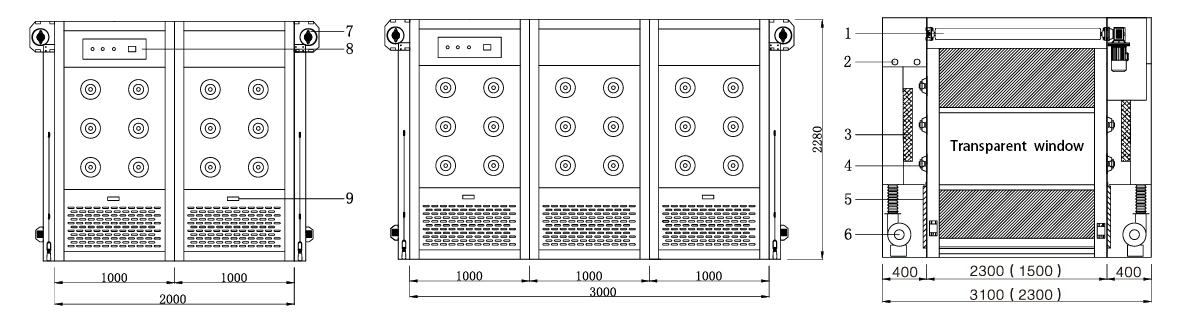
Every element within this purification chamber is selected for maximum reliability and sustained performance under continuous industrial use. The architecture relies on precision-matched components that work in absolute synchronization. Below is the strict configuration of the primary functional parts that drive the filtration and mechanical operations:
| 1. Fast shutter door | 2. Indicator | 3. HEPA filter |
| 4. Stainless steel air nozzle | 5. Primary-efficiency filter | 6. Double-speed fan |
| 7. Special motor for fast shutter door | 8. Control panel | 9. IR sensor |
The integration of the double-speed fan and the specialized motor for the fast shutter door guarantees that the heavy-duty curtain operates with minimal friction, delivering a swift and quiet ascent. The control panel serves as the central command center, featuring an intuitive microcomputer interface that allows facility managers to precisely adjust the blowing duration between 10 and 99 seconds based on specific contamination loads. Clear, intelligent voice prompts guide operators through the entire decontamination cycle, reducing human error. Furthermore, the combination of primary-efficiency filters and the main HEPA filter creates a dual-stage filtration barrier, extending the lifespan of the HEPA media while maintaining a consistent, forceful air velocity across all stainless steel nozzles.
To effectively function as a secure airlock, the chamber utilizes an advanced dual-door electronic and magnetic interlock system. This mechanism ensures that both doors can never be opened simultaneously, physically blocking untreated ambient air from rushing into the controlled environment and eliminating the risk of cross-contamination. Equipped with highly responsive infrared anti-pinch sensors and accessible emergency stop buttons, the structural design prioritizes the physical safety of operators and the protection of delicate cargo during transit. The automated sequences below outline the strict operational workflow enforced by the internal logic controller:
| Action procedure for walking from unclean area to clean area of air shower: | Action procedure for walking from clean area to unclean area of air shower: |
1. People walk from unclean area to outer door of air shower 2. Reach the sensing area and the door opens automatically 3. The door automatically closes the outer door according to the set time after people entering the air shower 4. When people walk by the IR sensor and block the light, the fan in the air shower will start blowing 5. After the set blowing time, the inner door opens and people exit 6. After people leave, the automatic door will be closed according to the set time and return to the standby state | 1. Personnel walk from the clean area to inner door of air shower 2. Reach the sensing area and the door opens automatically 3. The door automatically closes the inner door according to the set time after personnel enter the air shower 4. After the inner door is completely closed and personnel walk by the sensing area, the outer door opens and personnel can walk out 5. After the personnel leave, the automatic door will be closed according to the set time and return to the standby state |
1. Wireless remote control switch
2. Microwave automatic sensing switch
3. Non-contact sensing switch
Implementing a completely touchless entry protocol is vital for maintaining stringent hygiene standards in sensitive manufacturing sectors. By utilizing the microwave automatic sensing switch or the non-contact sensing switch, personnel can initiate the rapid door mechanism without any physical interaction, mitigating the transfer of surface pathogens or particulate matter. The radar and microwave sensors are calibrated to detect approaching transport carts or personnel instantly, triggering the specialized motor to lift the heavy-duty curtain in milliseconds. This hands-free operation not only preserves the sterile integrity of the operators' protective garments but also accelerates the movement of bulk materials across different classification zones, keeping your production lines moving without unnecessary delays.
| 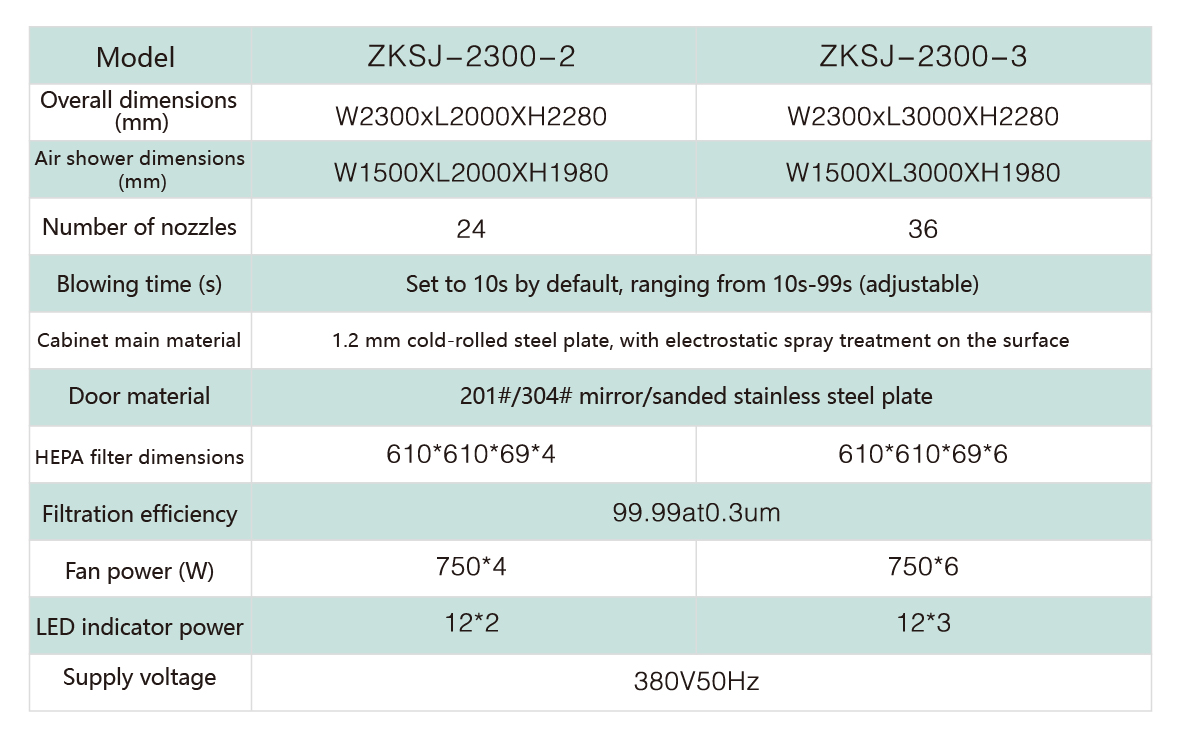 |
Recognizing that no two manufacturing facilities share the exact same spatial footprint, this purification equipment features a highly adaptable modular design. Facility engineers can specify custom dimensions and channel configurations—including straight-through, L-shaped, T-shaped, or U-shaped transit paths—to perfectly integrate the chamber into existing architectural layouts. The modular panels are engineered for straightforward on-site assembly, minimizing facility downtime during installation. From a regulatory standpoint, the system consistently delivers air quality that meets or exceeds ISO 5 (Class 100) cleanliness standards. This exceptional particle removal capability makes it an indispensable asset for industries operating under rigorous environmental controls, including food processing plants, biopharmaceutical laboratories, semiconductor fabrication facilities, and microelectronics manufacturing centers.


