 EnglishEnglish


Views: 0 Author: Site Editor Publish Time: 2026-04-03 Origin: Site


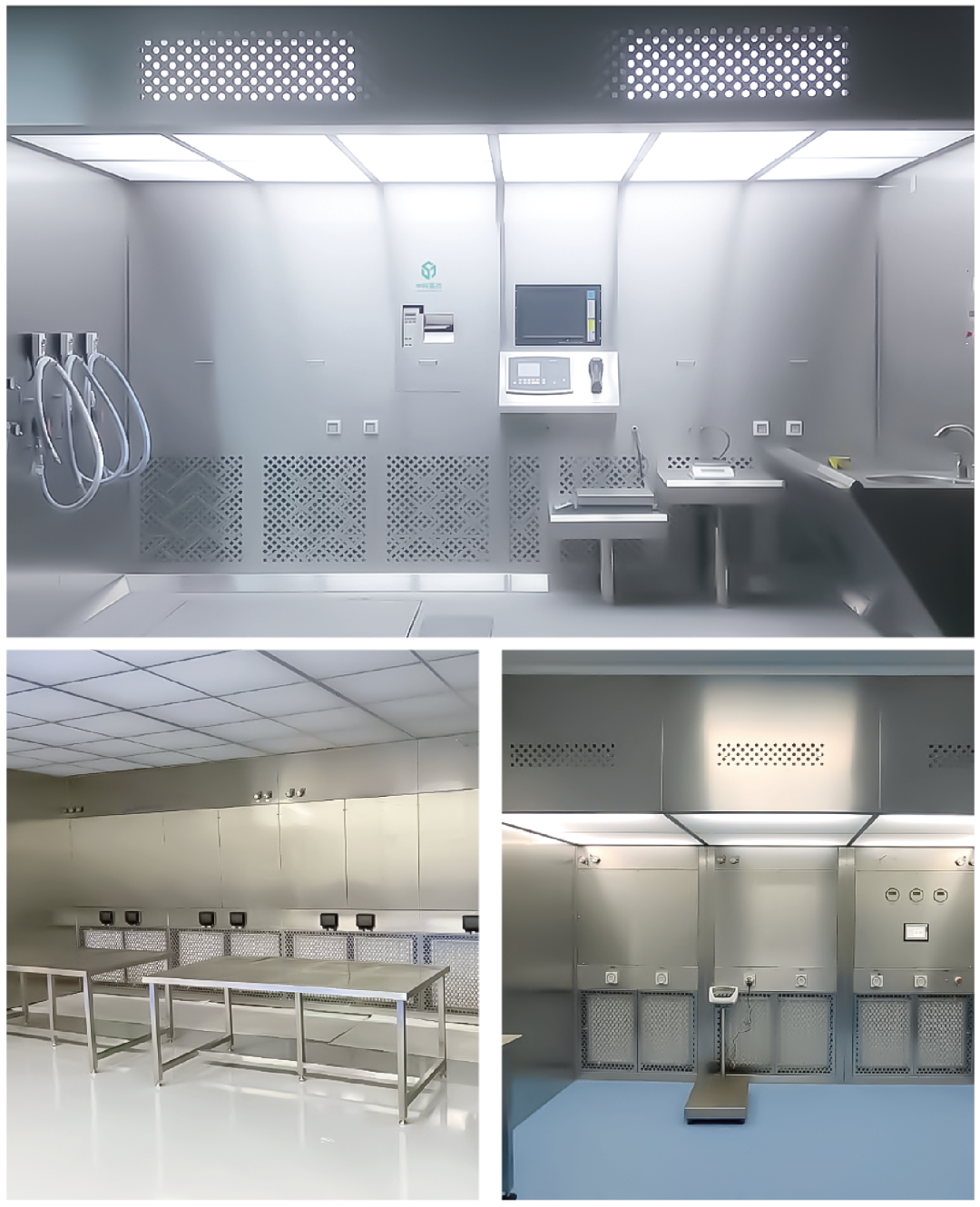
In pharmaceutical manufacturing, biotechnology production, chemical processing, and laboratory environments, powder handling operations often generate airborne particles that can threaten product quality, operator safety, and environmental cleanliness.
Activities such as weighing, dispensing, sampling, and transferring powders can release hazardous dust into surrounding areas if adequate containment measures are not in place.
A negative pressure weighing booth is specifically designed to address these challenges. By combining unidirectional airflow technology, high-efficiency filtration, and negative pressure containment, the system provides a controlled workspace that protects personnel, products, and the surrounding environment.
As GMP requirements continue to evolve, negative pressure weighing booths have become essential equipment in pharmaceutical and cleanroom facilities worldwide.
During weighing and dispensing operations, airborne powder particles can easily spread beyond the immediate work area.
This can lead to:
- Product cross-contamination
- Operator exposure to hazardous substances
- Environmental contamination
- GMP compliance issues
- Material loss during processing
A negative pressure weighing booth creates a localized containment environment that captures airborne particles at the source while maintaining a clean working area.
This significantly improves workplace safety and process reliability.
A negative pressure weighing booth, also known as a dispensing booth or sampling booth, is a containment system designed to provide operator protection and contamination control during powder handling operations.
The equipment utilizes a combination of downward laminar airflow and negative pressure containment to capture airborne particles before they can spread throughout the facility.
The system typically consists of:
- Working area
- Return air chamber
- Supply air chamber
- Fan system
- HEPA filtration system
- PLC control system
- Airflow monitoring system
- Differential pressure monitoring system
- Lighting system
- Touchscreen control interface
Together, these components create a safe and highly controlled environment for handling powders and active pharmaceutical ingredients.
The operating principle is based on a controlled airflow pattern.
Clean air first passes through multiple filtration stages before entering the working zone through a gel seal HEPA filter.
The filtered air then flows downward in a uniform laminar pattern across the workspace.
During weighing or dispensing operations, airborne particles generated by materials are immediately captured by the airflow and directed toward the return air system.
A portion of the air is recirculated after filtration, while another portion is exhausted through HEPA filters to maintain negative pressure inside the booth.
This airflow design effectively prevents powder escape while maintaining a clean and comfortable working environment.

The working area provides a controlled environment for weighing, dispensing, and sampling activities.
The design allows operators to perform tasks comfortably while maintaining effective containment performance.
The fan system generates the airflow required for both laminar flow protection and negative pressure containment.
Modern variable air volume fans provide:
- Stable airflow performance
- Low operating noise
- Low vibration
- Long service life
- Reduced maintenance requirements
The HEPA filtration system is responsible for removing airborne particles from both supply and exhaust air streams.
The gel seal design provides:
- Superior sealing performance
- Reduced leakage risk
- Enhanced filtration efficiency
- Improved GMP compliance
This ensures that clean air enters the work area while contaminated air is safely filtered before recirculation or discharge.
The PLC control system allows operators to monitor and manage equipment performance.
Functions typically include:
- Fan control
- Airflow adjustment
- Alarm management
- System diagnostics
- Parameter monitoring
The touchscreen interface provides user-friendly operation and real-time system visibility.
Airflow sensors and differential pressure gauges continuously monitor system performance.
Monitoring points typically include:
- Primary filter pressure
- Medium filter pressure
- HEPA filter pressure
- Air velocity
- Containment pressure
These measurements help ensure stable operation and timely maintenance planning.
The homogeneous flow membrane ensures even airflow distribution throughout the working area.
This contributes to stable laminar airflow conditions and improved particle containment performance.

The primary advantage of a negative pressure weighing booth is its ability to effectively contain airborne particles generated during weighing, dispensing, and sampling operations.
The combination of downward laminar airflow and negative pressure containment captures dust at its source, minimizing contamination risks and protecting the surrounding environment.
Pharmaceutical powders, active pharmaceutical ingredients (APIs), and highly potent compounds may present health risks when inhaled.
A negative pressure weighing booth reduces operator exposure by continuously removing airborne particles from the breathing zone and directing them through high-efficiency filtration systems.
The double-layer negative pressure structure provides an additional level of containment protection.
This design minimizes leakage risks and helps maintain stable airflow conditions even during intensive production activities.
The result is improved operational safety and enhanced contamination control.
The booth utilizes a homogeneous airflow distribution system to create stable laminar airflow across the working area.
Benefits include:
- Consistent containment performance
- Reduced turbulence
- Improved particle capture efficiency
- Enhanced product protection
Uniform airflow is essential for maintaining reliable containment and GMP compliance.
Advanced control systems support automatic constant airflow control or multi-stage airflow adjustment.
The system continuously monitors operating conditions and adjusts fan performance to maintain stable airflow velocity and containment effectiveness.
This improves reliability while reducing operator intervention.
The gel seal HEPA filtration system provides superior sealing and filtration performance.
Compared with conventional gasket-sealed filters, gel seal technology offers:
- Improved airtightness
- Reduced leakage risks
- Easier validation
- Enhanced cleanroom compliance
This helps maintain high cleanliness levels throughout the working area.
Modern fan systems are designed for continuous operation with minimal noise and vibration.
This improves operator comfort while ensuring stable airflow performance over long operating periods.
The internal and external surfaces are designed to be smooth, clean, and free of contamination retention points.
The seamless construction facilitates routine cleaning and disinfection while supporting pharmaceutical GMP requirements.
The most common application is the weighing and dispensing of pharmaceutical powders and raw materials.
The booth provides a safe environment for handling active ingredients while preventing cross-contamination.
Active pharmaceutical ingredient production often involves highly potent compounds that require strict containment.
Negative pressure weighing booths help protect operators while maintaining product integrity.
Material sampling activities can generate airborne particles that threaten both product quality and workplace safety.
The booth captures dust immediately, ensuring safe and compliant sampling procedures.
Biotechnology facilities utilize containment booths when handling sensitive biological materials and powdered substances.
Controlled airflow improves both product protection and environmental safety.
Chemical manufacturers use negative pressure weighing booths to manage hazardous powders and prevent airborne contamination during material handling operations.
Research laboratories often require flexible containment solutions for weighing, formulation development, and experimental work involving powders and fine particles.
Negative pressure weighing booths are designed to support pharmaceutical GMP requirements and cleanroom validation activities.
Typical validation procedures include:
- Airflow velocity testing
- Airflow visualization testing
- HEPA filter integrity testing
- Differential pressure verification
- Particle count testing
- Containment performance testing
The inclusion of PAO injection ports and DOP testing ports simplifies filter validation and routine qualification procedures.
These features help facilities maintain regulatory compliance and long-term operational reliability.
The containment level should be selected according to the potency and hazard characteristics of the materials being handled.
Highly potent compounds may require enhanced containment performance and additional filtration protection.
The booth size should be selected according to process requirements, operator activities, and equipment dimensions.
Adequate working space improves both safety and operational efficiency.
Airflow velocity and airflow uniformity should be evaluated to ensure effective particle capture and stable containment performance.
Advanced monitoring capabilities improve operational safety and simplify maintenance planning.
Recommended features include:
- Air velocity monitoring
- Filter differential pressure monitoring
- Alarm systems
- Touchscreen controls
- Data logging functions
Many pharmaceutical facilities require customized dimensions, airflow configurations, pass-through options, and control systems.
Equipment should be capable of being designed according to customer URS specifications.
What is the difference between a negative pressure weighing booth and a laminar flow hood?
A laminar flow hood primarily protects the product through clean airflow, while a negative pressure weighing booth focuses on powder containment and operator protection through controlled negative pressure airflow.
Can a negative pressure weighing booth be used for potent pharmaceutical compounds?
Yes. These systems are specifically designed to contain airborne particles generated during the handling of APIs and other potent substances.
Why is a gel seal HEPA filter important?
Gel seal technology provides superior airtightness and reduces the possibility of filter leakage, helping maintain containment performance.
What maintenance is required?
Routine maintenance typically includes:
- HEPA filter inspection
- Differential pressure monitoring
- Airflow verification
- Cleaning and disinfection
- Control system inspection
Regular maintenance ensures stable long-term performance.
Cigeair provides advanced containment solutions for pharmaceutical, biotechnology, laboratory, and cleanroom applications.
Key advantages include:
- Double-layer negative pressure containment design
- Gel seal HEPA filtration technology
- Excellent airflow uniformity
- Automatic airflow adjustment
- Low-noise and low-vibration operation
- Advanced PLC control system
- Real-time airflow monitoring
- GMP-compliant hygienic construction
- Flexible customization according to URS requirements
- Reliable long-term containment performance
These features help pharmaceutical manufacturers improve operator safety, contamination control, and regulatory compliance.
Looking for a reliable negative pressure weighing booth for your pharmaceutical or cleanroom facility?
Cigeair offers customized containment solutions designed to support GMP compliance, operator protection, and powder handling safety.
Contact our technical team today to discuss your application requirements and receive a customized containment solution.


