 EnglishEnglish


Views: 0 Author: Site Editor Publish Time: 2026-04-03 Origin: Site


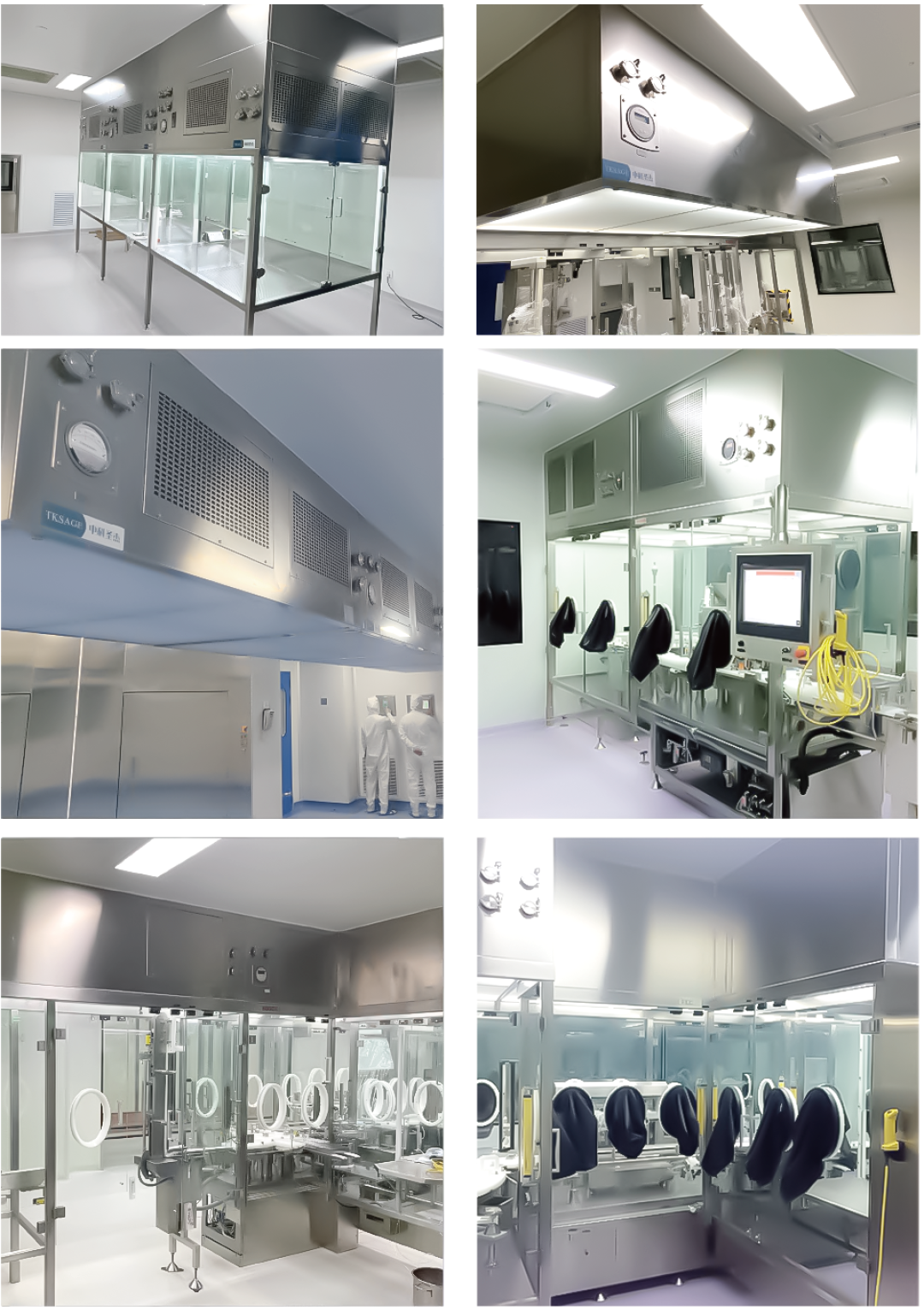
In pharmaceutical manufacturing, biotechnology laboratories, sterile preparation areas, and other critical cleanroom environments, maintaining a continuously controlled clean air zone is essential for product quality and contamination prevention.
Even microscopic airborne particles can compromise aseptic processes, contaminate sensitive products, and lead to costly production losses. To address these challenges, Class A laminar flow hoods are widely used to create localized high-cleanliness environments that meet stringent GMP and cleanroom requirements.
A Class A laminar flow hood delivers uniform unidirectional airflow through a high-efficiency filtration system, creating a protected working area with consistent cleanliness levels. It is one of the most commonly used air purification solutions in pharmaceutical cleanrooms and sterile production facilities.
Many pharmaceutical processes require a localized Class A environment even when installed inside larger cleanroom areas.
Examples include:
- Aseptic filling operations
- Sterile sampling procedures
- Weighing and dispensing activities
- Pharmaceutical compounding
- Equipment assembly processes
- Product transfer operations
Without proper airflow control, airborne contaminants can enter critical process zones and compromise product sterility.
A Class A laminar flow hood provides a continuous curtain of clean air that protects sensitive operations from environmental contamination.
A Class A laminar flow hood is an air purification device designed to create a localized high-cleanliness working environment through HEPA-filtered unidirectional airflow.
The system typically consists of:
- Stainless steel housing
- Fan system
- Primary filter
- HEPA filter
- Plenum chamber
- Airflow equalization membrane
- Control system
- Lighting system
- Monitoring instruments
The equipment can be suspended from the ceiling or installed as a floor-mounted unit depending on facility requirements.
Its compact structure, flexible installation options, and reliable clean air performance make it suitable for a wide range of pharmaceutical and laboratory applications.

The operating principle is based on unidirectional laminar airflow.
Ambient air first passes through a primary filter that removes larger particles.
The fan then draws the pre-filtered air into the plenum chamber, where airflow pressure is stabilized and evenly distributed.
Next, the air passes through a gel seal HEPA filter that removes extremely fine particles and microorganisms.
Finally, the filtered air is delivered through a homogeneous flow membrane, creating a stable vertical laminar airflow pattern across the protected working area.
This continuous flow of clean air effectively prevents external contaminants from entering the critical process zone.
The cabinet is typically manufactured from SUS304 stainless steel using one-piece sheet metal bending technology.
This design provides:
- Excellent corrosion resistance
- Smooth surfaces for cleaning
- No contamination retention points
- Long service life
- GMP-compliant construction
The seamless structure simplifies cleaning and disinfection procedures while reducing contamination risks.
The fan is responsible for maintaining stable airflow throughout the system.
Modern Class A laminar flow hoods use low-noise, low-vibration fans designed for long-term continuous operation.
Benefits include:
- Reduced operating noise
- Stable airflow performance
- Low maintenance requirements
- Extended service life
The HEPA filtration system is the core component of the laminar flow hood.
The gel seal design provides superior airtightness compared with traditional gasket sealing methods.
Advantages include:
- High filtration efficiency
- Reduced leakage risk
- Improved installation accuracy
- Enhanced GMP compliance
The system can maintain Class A cleanliness levels required for sterile manufacturing processes.
The plenum chamber serves as an airflow equalization zone.
Its function is to:
- Stabilize air pressure
- Improve airflow distribution
- Reduce turbulence
- Enhance filter performance
A properly designed plenum chamber contributes significantly to airflow uniformity.
The homogeneous flow membrane ensures even airflow distribution across the working area.
This helps eliminate turbulence and maintain stable laminar airflow conditions necessary for contamination control.
The control system allows operators to monitor and adjust equipment performance.
Typical functions include:
- Fan speed adjustment
- Airflow monitoring
- Differential pressure monitoring
- Alarm management
- Lighting control
Some systems also support automatic constant airflow regulation.
The system automates the entire cleaning process, from pre-washing and washing to rinsing and drying.
Automated operation minimizes human intervention, reduces labor costs, and ensures consistent cleaning performance across every cycle.
Advanced spray systems deliver high-pressure and high-flow cleaning solutions throughout the washing chamber.
This technology effectively removes pharmaceutical residues, powders, liquids, and contaminants from both external and internal surfaces.
Even complex components and hard-to-clean equipment can be cleaned thoroughly and consistently.
Different pharmaceutical products and equipment require different cleaning methods.
Customized loading racks can be designed according to the shape, size, and cleaning requirements of various items, ensuring optimal cleaning coverage and improved washing efficiency.
The system can be equipped with online conductivity testing technology to monitor cleaning effectiveness during operation.
This feature helps verify the removal of cleaning agents and residues while supporting cleaning validation requirements.
Following the washing and rinsing stages, a high-temperature hot air drying system rapidly removes residual moisture.
Fast drying reduces equipment turnaround time and helps prevent microbial growth caused by remaining water.
The double dosing pipeline design allows precise control of cleaning agents throughout the washing process.
This improves cleaning efficiency while reducing chemical waste and ensuring repeatable process performance.
Every cleaning cycle can be recorded and stored automatically.
Critical process parameters such as temperature, conductivity, cycle duration, and alarm events can be documented for future review and audit purposes.
This fully supports GMP documentation requirements.
The entire operation process is continuously monitored.
Operators can easily track equipment status, process parameters, and cleaning progress through the control system, ensuring safe and reliable operation.

Compared with traditional manual cleaning methods, automated pharmaceutical washing systems provide several significant advantages.
These include:
- Improved cleaning consistency
- Reduced operator dependency
- Enhanced GMP compliance
- Better cleaning validation support
- Increased production efficiency
- Lower labor costs
- Reduced contamination risks
- Full process traceability
- Faster equipment turnaround times
- Improved product quality assurance
As pharmaceutical manufacturing continues to adopt digitalization and automation, automated washing and drying systems have become an increasingly important investment.
GMP pharmaceutical appliance washers are widely used for cleaning production equipment and accessories used in solid dosage, sterile products, biologics, and vaccine manufacturing.
The equipment supports contamination control programs by providing validated cleaning processes for cleanroom tools and production components.
Laboratories utilize pharmaceutical washers for cleaning glassware, testing instruments, sample containers, and other laboratory equipment.
Biotechnology manufacturers use automated washing systems to maintain cleaning consistency and reduce contamination risks during sensitive production processes.
Equipment capacity should match the volume and type of items requiring cleaning.
Larger production facilities may require higher-capacity systems to maintain operational efficiency.
The system should support GMP documentation, cleaning validation protocols, and regulatory compliance requirements.
Effective drying capabilities are essential for minimizing downtime and preventing microbial contamination.
Customized loading racks should be available to accommodate specific production equipment and process requirements.
Modern pharmaceutical facilities should select systems capable of recording, storing, and exporting cleaning data for audit and validation purposes.
Cleaning validation is a documented process that demonstrates a cleaning procedure consistently removes residues and contaminants to acceptable levels.
Automated cleaning provides greater consistency, repeatability, traceability, and compliance with GMP requirements while reducing human error.
Typical items include containers, filling machine parts, glassware, pipelines, transfer vessels, laboratory equipment, and various production accessories.
Depending on equipment configuration and cleaning requirements, a complete cleaning and drying cycle can typically be completed within 70 minutes.
Yes. Complete process documentation, data recording, and validation support help manufacturers meet GMP audit requirements.
The Cigeair WD-M Series is designed to meet the demanding requirements of modern pharmaceutical manufacturing facilities.
Key advantages include:
- GMP-compliant design
- Fully automated cleaning and drying process
- High-pressure high-flow cleaning technology
- Customized loading rack solutions
- Online conductivity monitoring
- High-temperature hot air drying
- Dual dosing pipeline system
- Comprehensive process monitoring
- Full data recording and printing capabilities
- Cleaning validation support documentation
These features help pharmaceutical manufacturers improve cleaning performance, increase operational efficiency, and maintain regulatory compliance.
Looking for a reliable GMP pharmaceutical appliance washer and dryer for your pharmaceutical facility?
Cigeair provides advanced automated cleaning and drying solutions designed to support cleaning validation, GMP compliance, and production efficiency.
Contact our technical team today to discuss your application requirements and receive a customized pharmaceutical cleaning solution.


