 EnglishEnglish


Views: 0 Author: Site Editor Publish Time: 2026-06-11 Origin: Site


In pharmaceutical manufacturing, biotechnology laboratories, food processing facilities, and research environments, maintaining sterility during material transfer is one of the most critical challenges in contamination control. Even when a cleanroom operates within strict GMP and ISO standards, improperly managed material transfer can introduce microorganisms, airborne particles, and cross-contamination risks into controlled environments. These risks may lead to product rejection, regulatory observations, production downtime, or even costly recalls. A VHP Pass Box, also known as a Vaporized Hydrogen Peroxide Pass Box, provides an effective solution by enabling safe material transfer between cleanroom zones while simultaneously performing automated bio-decontamination. By integrating sterilization and transfer functions into a single system, a VHP Pass Box helps facilities maintain aseptic conditions without interrupting workflow. However, not all VHP Pass Boxes offer the same performance. Selecting the right equipment requires careful evaluation of sterilization capability, compliance requirements, operating environment, and long-term maintenance costs. This guide explains the key factors to consider when selecting a VHP Pass Box and how the right solution can improve contamination control, regulatory compliance, and operational efficiency. A VHP Pass Box is a specialized cleanroom transfer system designed to decontaminate materials before they enter critical production or laboratory areas. The system uses vaporized hydrogen peroxide (VHP) as a sterilizing agent to eliminate bacteria, viruses, fungal spores, and other microorganisms from material surfaces. After the sterilization cycle is completed, materials can be safely transferred into a higher-grade clean environment without introducing contamination. Compared with conventional mechanical pass boxes, VHP Pass Boxes provide significantly higher levels of microbial reduction and are widely used in applications where aseptic conditions are mandatory. Typical applications include: • Sterile pharmaceutical manufacturing • Vaccine production facilities • Biotechnology laboratories • Cell and gene therapy production • Biological sample storage facilities • Food and beverage processing plants • Research and development laboratories By combining high-efficiency sterilization with controlled material transfer, VHP Pass Boxes have become essential equipment in modern contamination control strategies. Selecting the appropriate VHP Pass Box requires more than simply comparing dimensions or prices. The system must align with regulatory requirements, process demands, and facility operating conditions. For pharmaceutical and biotechnology facilities, compliance is often the first consideration. A high-quality VHP Pass Box should comply with: • GMP requirements • ISO 14644 cleanroom standards • FDA 21 CFR Part 11 requirements • Industry-specific validation protocols Facilities should also verify that suppliers can provide complete documentation, including sterilization validation reports, factory acceptance testing records, calibration certificates, and compliance documentation. Comprehensive validation support simplifies audits and helps reduce compliance risks throughout the equipment lifecycle. The primary purpose of a VHP Pass Box is microbial decontamination. When evaluating sterilization performance, important indicators include: • Log reduction capability • Hydrogen peroxide concentration control • Cycle repeatability • Sterilization coverage • Residual hydrogen peroxide levels Advanced systems typically achieve a 6-log reduction rate against highly resistant biological indicators, ensuring effective decontamination for critical pharmaceutical and laboratory applications. Uniform VHP distribution throughout the chamber is equally important. Poor airflow design may create dead zones where microorganisms can survive despite completing the sterilization cycle. Modern VHP Pass Boxes use multi-nozzle injection systems and optimized airflow circulation to ensure complete chamber coverage and consistent sterilization results. The chamber of a VHP Pass Box is the foundation of safe and effective material transfer. High-quality pass boxes use SUS304 or SUS316L stainless steel, which provides excellent corrosion resistance, smooth surfaces, and ease of cleaning. All seams are fully welded and polished, with rounded corners (R ≥ 15 mm) to prevent microbial accumulation. Surfaces are compatible with repeated disinfection cycles using vaporized hydrogen peroxide (VHP), alcohol, or other cleanroom-approved sterilants. Interior and exterior finishes must be resistant to corrosion, wear, and repeated cleaning, ensuring long-term durability in demanding pharmaceutical and biotechnology environments. Optional glass viewing panels allow monitoring of internal processes without opening the chamber, reducing contamination risk. Modern VHP Pass Boxes are equipped with PLC-based control systems and intuitive HMI interfaces. These systems monitor chamber pressure, airflow, VHP concentration, cycle duration, and temperature in real time. Key features include: - Real-time airflow and pressure monitoring - Alarm notifications for deviations or operational anomalies - Automated VHP cycle control and safety interlocks - Electronic logging and data export for GMP-compliant audits (FDA 21 CFR Part 11) These systems ensure that operators can maintain consistent sterilization quality while preserving traceable data for regulatory compliance and process validation. Operator safety and environmental protection are critical. VHP Pass Boxes feature interlocked doors and airtight seals to prevent accidental opening during sterilization cycles. The differential pressure system ensures the chamber remains in a negative or neutral pressure state relative to adjacent areas, preventing VHP or contaminants from escaping. Other safety features include: - Alarm triggers for door breaches or glove rupture - Automatic adjustment of fan and air handling to maintain safe airflow velocity - Redundant sealing methods including dry, wet, or gel-seal technology These measures provide dual protection: the operator is safe from exposure, and the receiving cleanroom maintains sterility. VHP Pass Boxes are essential for aseptic filling lines, lyophilizer loading/unloading, and sterile material transfer. They ensure compliance with GMP Class A or ISO Class 5 cleanroom standards and reduce the risk of contamination during high-potency drug manufacturing. For cell culture, gene therapy, and high-risk biological research, VHP Pass Boxes offer reliable sterilization of samples and containers. Custom glove ports, half-suits, and robotic interfaces allow precise handling without exposing operators to hazardous materials. In aseptic packaging, dairy production, and bakery processing, VHP Pass Boxes eliminate microbial contamination risks. Gel-seal HEPA filters and pre-filter combinations maintain air cleanliness, supporting ISO 5–7 environments and meeting food safety regulations. VHP Pass Boxes maintain the sterility of sensitive samples during transfer between storage units and laboratory areas. Automated decontamination cycles prevent cross-contamination and ensure sample integrity for research and quality control. - **Integrated Sterilization**: Combines safe material transfer with automated VHP decontamination. - **Enhanced Operator Safety**: Negative pressure control, interlocks, and sealed chambers prevent exposure. - **Regulatory Compliance**: Meets GMP, ISO 14644, and 21 CFR Part 11 requirements. - **Data Traceability**: Electronic logging supports audits and validation reports. - **Flexible Configurations**: Custom chamber sizes, glove ports, and robotics adapt to different workflows. - **Reduced Contamination Risk**: Uniform airflow and VHP distribution minimize microbial survival. A terminal cleanroom device that sterilizes and transfers materials using vaporized hydrogen peroxide. Materials are placed inside the chamber, a VHP cycle sterilizes them, and interlocked doors allow safe transfer into the receiving cleanroom. Validation is typically required after installation, maintenance, filter replacement, or major system changes. Routine performance checks are recommended per facility SOPs. Pharmaceuticals, biotechnology, hospitals, food processing, and laboratories handling high-risk biological materials. Sterilization performance, chamber material, compliance with GMP/ISO standards, safety interlocks, and airflow uniformity. VHP Pass Boxes are critical for safe, sterile, and efficient material transfer in high-risk environments. Selecting the right system enhances contamination control, protects operators, ensures compliance, and maintains product integrity. Looking for a GMP-compliant VHP Pass Box for your cleanroom project? Cigeair offers customized solutions with validated sterilization performance, intelligent PLC control, flexible chamber designs, and comprehensive audit-ready documentation. Contact our engineering team today to discuss your requirements and receive a tailored contamination control solution.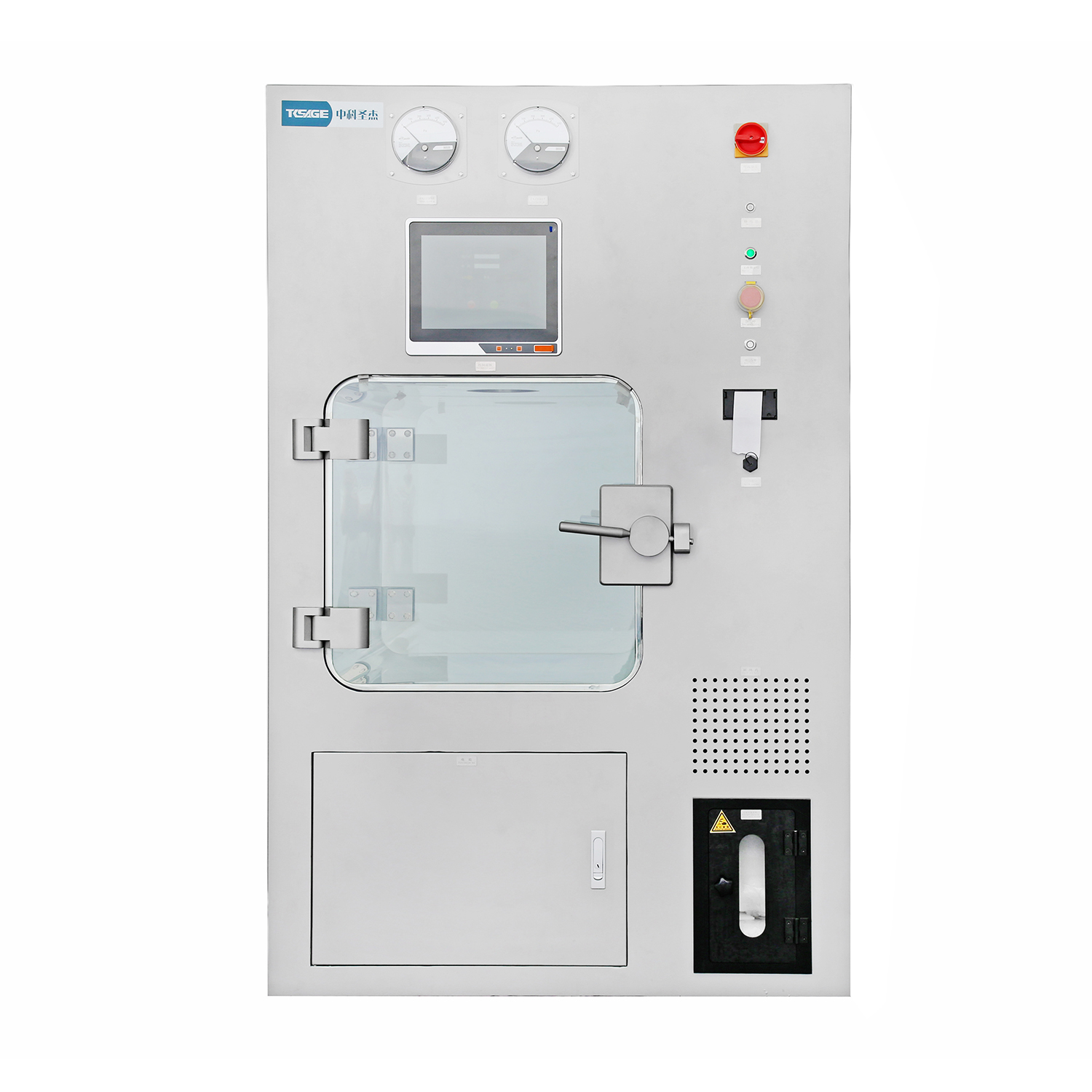
Why Choosing the Right VHP Pass Box Matters
What Is a VHP Pass Box?
Key Factors to Consider When Selecting a VHP Pass Box
Regulatory Compliance and Validation
Sterilization Performance
Chamber Construction and Material Selection
Control Systems and Data Integrity
Safety Interlocks and Leakage Prevention
Industry-Specific Selection Recommendations
Pharmaceutical Manufacturing
Biotechnology Laboratories
Food Processing Facilities
Biological Sample Storage
Advantages of Modern VHP Pass Box Technology
Frequently Asked Questions
What is a VHP Pass Box?
How does a VHP Pass Box work?
How often should VHP Pass Boxes be validated?
Which industries use VHP Pass Boxes?
What are the key selection criteria?
Conclusion
Contact Cigeair


