 EnglishEnglish


Views: 0 Author: Site Editor Publish Time: 2026-06-11 Origin: Site


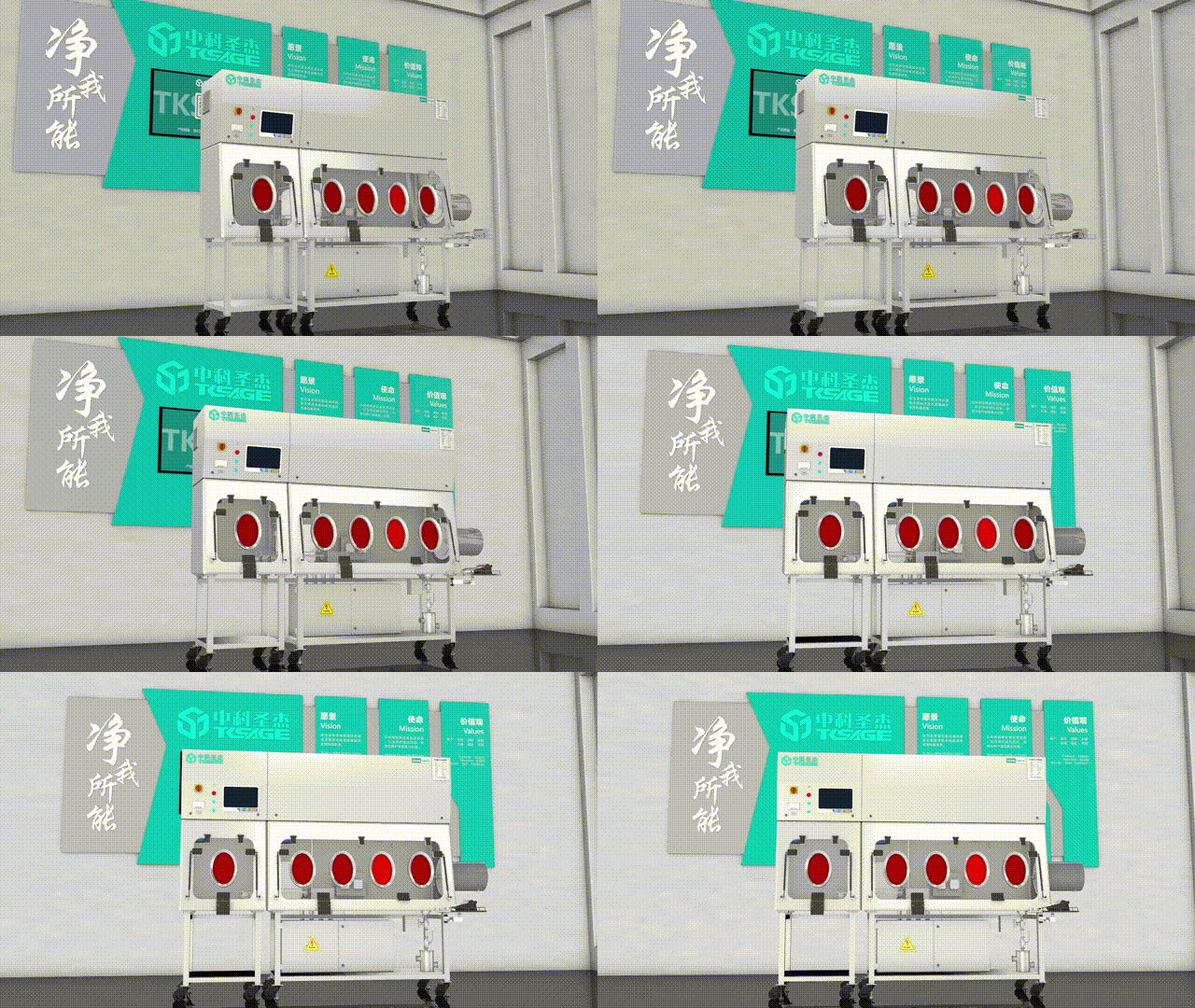
Negative pressure isolators play a critical role in industries where hazardous materials, highly active pharmaceutical ingredients (HPAPIs), toxic compounds, or pathogenic microorganisms must be handled safely. By creating a fully enclosed workspace with controlled negative pressure, these systems prevent contaminants from escaping into the surrounding environment while protecting operators and maintaining process integrity.
Today, negative pressure isolators are widely used in pharmaceutical manufacturing, biotechnology laboratories, healthcare facilities, environmental protection projects, and research institutions. Their combination of containment technology, HEPA filtration, and intelligent monitoring makes them one of the most effective solutions for high-risk operations.
A negative pressure isolator is a fully enclosed containment system designed to maintain air pressure inside the chamber lower than the surrounding environment. This pressure differential ensures that air flows into the chamber rather than outward, preventing hazardous particles, aerosols, or microorganisms from escaping.
The primary purpose of a negative pressure isolator is to protect operators and the external environment from exposure to dangerous substances while maintaining a controlled working environment.
Negative pressure isolators are commonly used for:
• Handling highly potent pharmaceutical compounds
• Processing toxic chemicals
• Microbiological research
• Cell and gene therapy development
• Hazardous waste treatment
• Infectious disease research
• Medical and public health laboratories
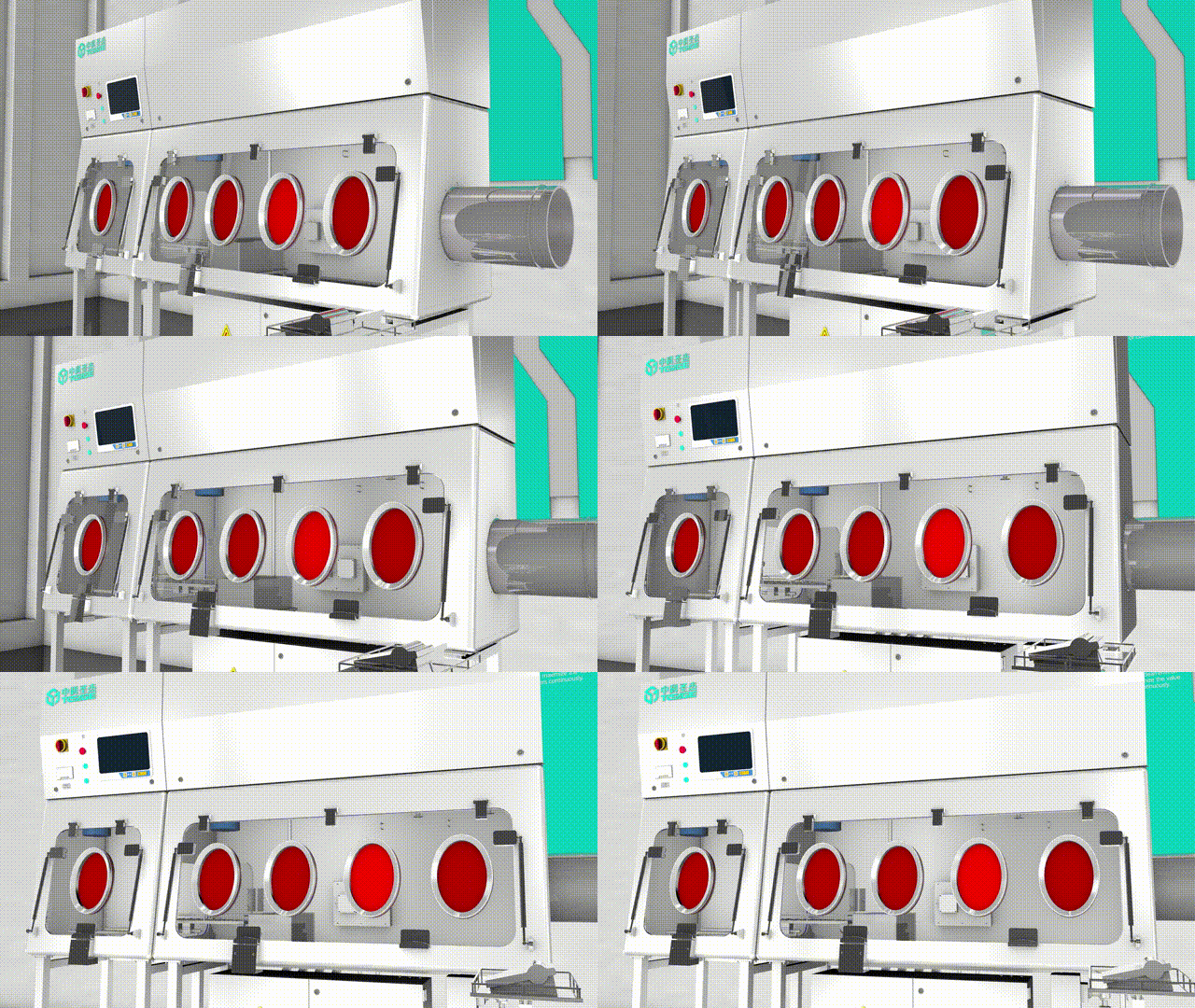
The operating principle of a negative pressure isolator is based on pressure differential control, airtight containment, and high-efficiency filtration.
When the exhaust system operates, the internal chamber pressure is maintained below ambient pressure. As a result, air continuously flows inward through controlled pathways, preventing contaminants from escaping even if minor leaks occur.
The negative pressure control system is the core of the isolator.
Using differential pressure sensors and variable-speed exhaust fans, the system continuously monitors chamber pressure and automatically adjusts airflow to maintain stable containment conditions.
Typical operating pressure ranges from -50 Pa to -150 Pa depending on application requirements.
Even during unexpected events such as glove damage or minor seal failures, the system can rapidly compensate and maintain safe operating conditions.
All incoming and outgoing air passes through a high-efficiency filtration system.
HEPA filters remove at least 99.97% of particles at 0.3 μm, including harmful aerosols, microorganisms, and particulate contaminants.
For highly sensitive applications, additional filtration stages may be installed to further improve containment performance and environmental protection.
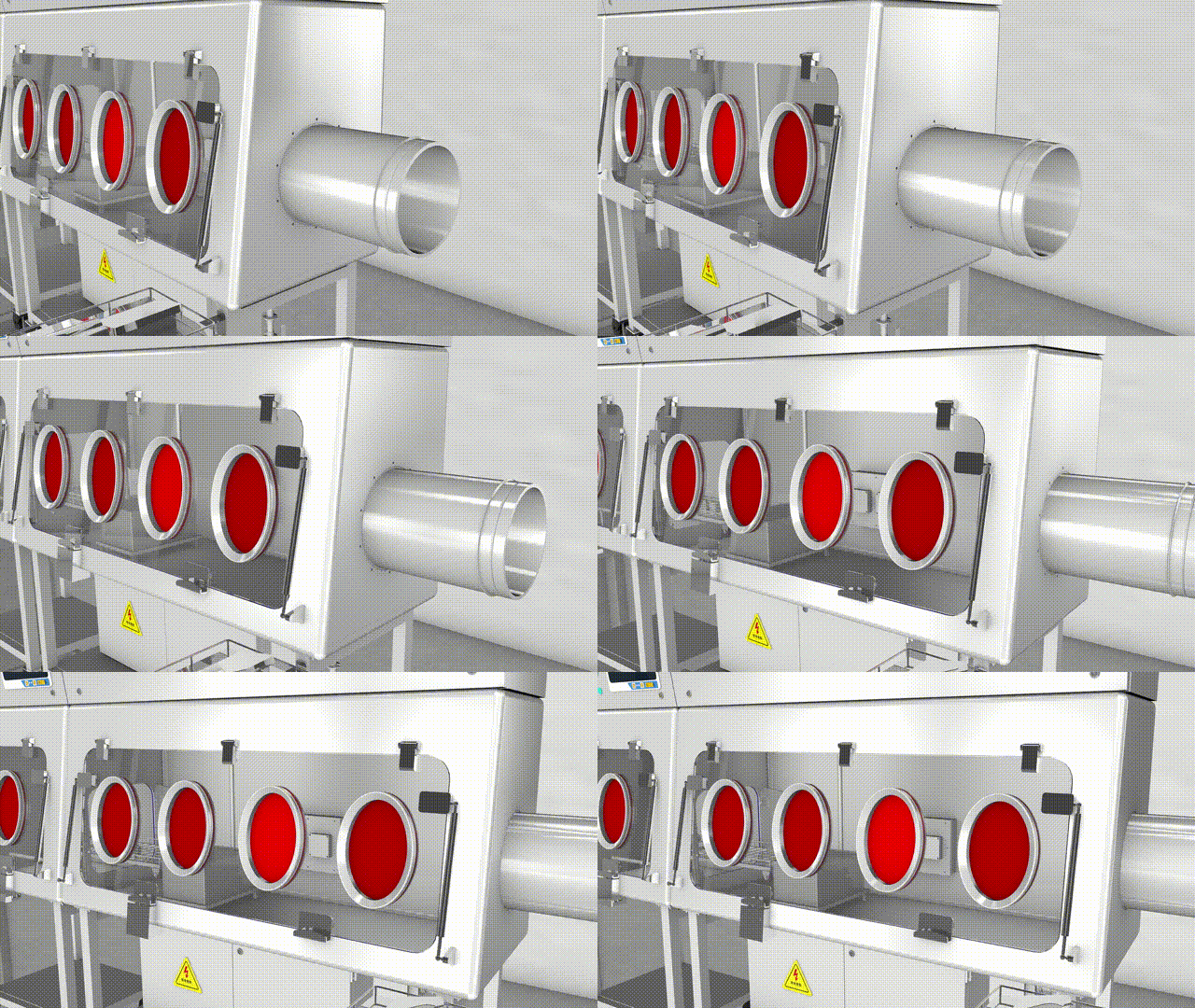
The isolator chamber is designed to eliminate leakage risks.
Common features include:
• Fully welded stainless steel construction
• Inflatable or mechanical sealing systems
• Smooth internal surfaces
• Rounded corners for easy cleaning
• Glove ports or half-suit systems
This airtight design minimizes contamination risks and simplifies cleaning and decontamination procedures.
Modern negative pressure isolators incorporate advanced technologies that improve safety, compliance, and operational efficiency.
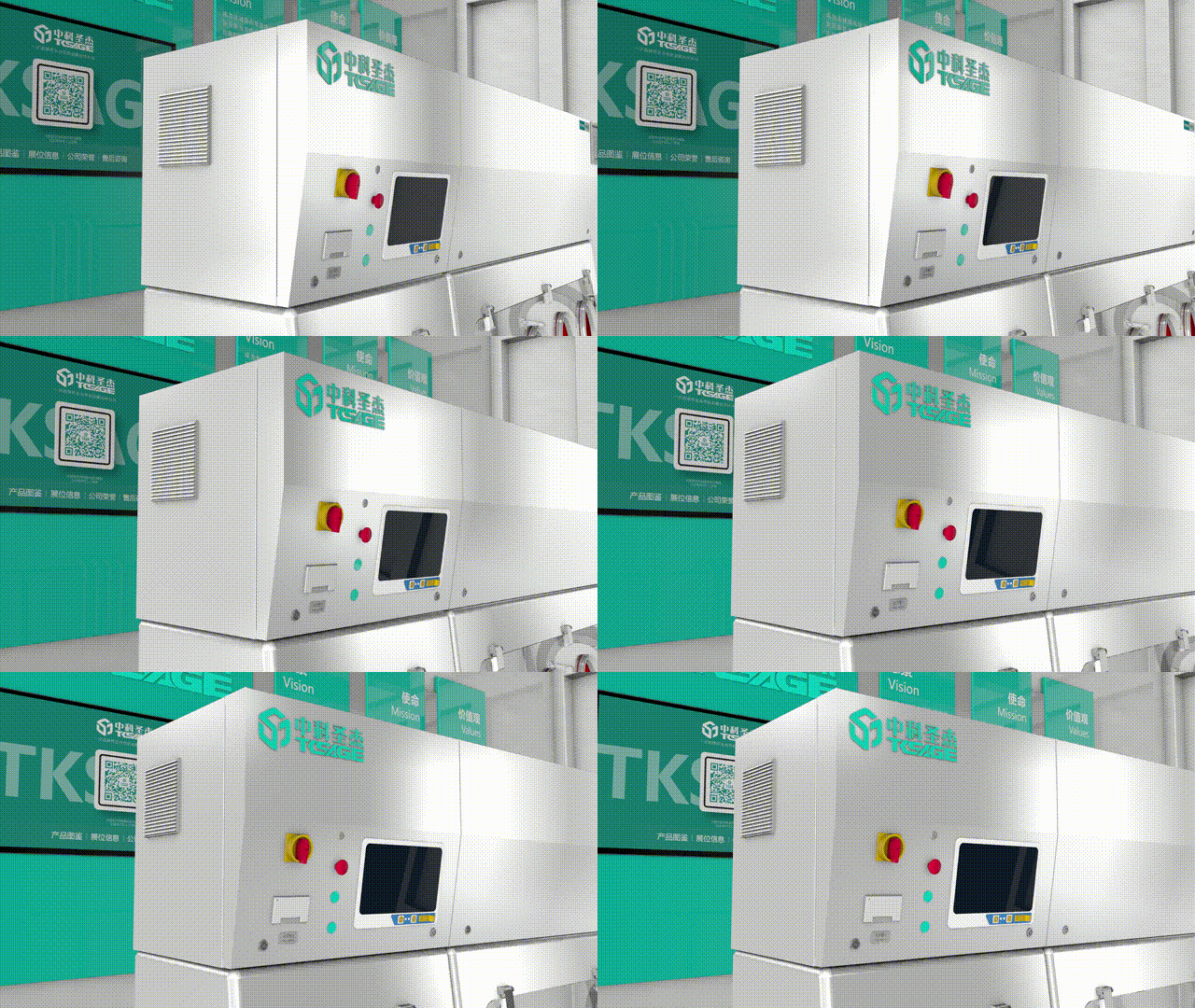
PLC-based control systems continuously monitor:
• Chamber pressure
• Airflow performance
• Filter condition
• Alarm status
• Process parameters
When abnormal conditions are detected, visual and audible alarms are triggered immediately to alert operators.
Many systems also support data recording and traceability functions to satisfy GMP and regulatory requirements.
Negative pressure isolators can be customized according to specific process requirements.
Optional configurations include:
• Glove ports
• Half-suit systems
• Rapid Transfer Ports (RTP)
• Pass boxes
• Material transfer chambers
• Integrated weighing stations
• Automated robotic systems
This flexibility allows the equipment to support applications ranging from laboratory research to commercial-scale production.
Many advanced isolators achieve containment levels suitable for OEB4 and OEB5 applications.
These systems are capable of safely handling highly potent compounds with extremely low occupational exposure limits while protecting operators and surrounding facilities.
To improve cleaning efficiency, many isolators incorporate:
• CIP (Clean-In-Place)
• WIP (Wash-In-Place)
• VHP (Vaporized Hydrogen Peroxide) sterilization
These systems help achieve rapid and effective decontamination while reducing manual intervention and minimizing cross-contamination risks.
Negative pressure isolators are widely used in:
• HPAPI production
• Sterile pharmaceutical processing
• ADC manufacturing
• Active pharmaceutical ingredient handling
The equipment protects personnel from exposure while maintaining strict product quality standards.
Biotechnology facilities use negative pressure isolators for:
• Cell culture
• Gene therapy research
• Microbiological testing
• Viral vector development
These applications require both operator protection and contamination control.
Hospitals and public health organizations use negative pressure containment systems for:
• Infectious disease research
• Clinical microbiology testing
• Medical waste handling
• Emergency response operations
These systems help reduce transmission risks and improve biosafety performance.
Industrial facilities use negative pressure isolators for:
• Toxic chemical processing
• Hazardous waste treatment
• Aerosol containment
• Environmental remediation
Containment technology significantly improves workplace safety and environmental protection.
Selection Considerations
When selecting a negative pressure isolator, key factors include:
• Required containment level
• Chamber size
• Process workflow
• HEPA filtration performance
• Monitoring and alarm functions
• Regulatory compliance requirements
• Cleaning and sterilization capabilities
Choosing the correct configuration ensures long-term safety and operational efficiency.
Routine maintenance is essential for maintaining containment performance.
Recommended practices include:
• Regular HEPA filter inspection
• Pressure differential verification
• Leak testing
• Glove integrity testing
• Alarm system verification
• Scheduled decontamination procedures
Proper maintenance helps extend equipment lifespan while ensuring continued compliance and safety.
Cigeair provides advanced negative pressure isolator solutions designed for pharmaceutical, biotechnology, laboratory, and containment applications.
Key features include:
• Stable negative pressure control
• High-efficiency HEPA filtration
• GMP-compliant construction
• Customizable containment configurations
• Integrated monitoring systems
• VHP decontamination options
• Reliable long-term performance
Negative pressure isolators have become essential containment solutions for industries handling hazardous substances and high-risk biological materials. Through the combination of differential pressure control, high-efficiency filtration, intelligent monitoring, and airtight design, these systems provide comprehensive protection for operators, products, and the environment.
As containment requirements continue to increase across pharmaceutical, biotechnology, healthcare, and industrial sectors, negative pressure isolators will remain a critical technology for achieving safe, compliant, and efficient operations.


