 EnglishEnglish


Views: 0 Author: Site Editor Publish Time: 2026-04-07 Origin: Site


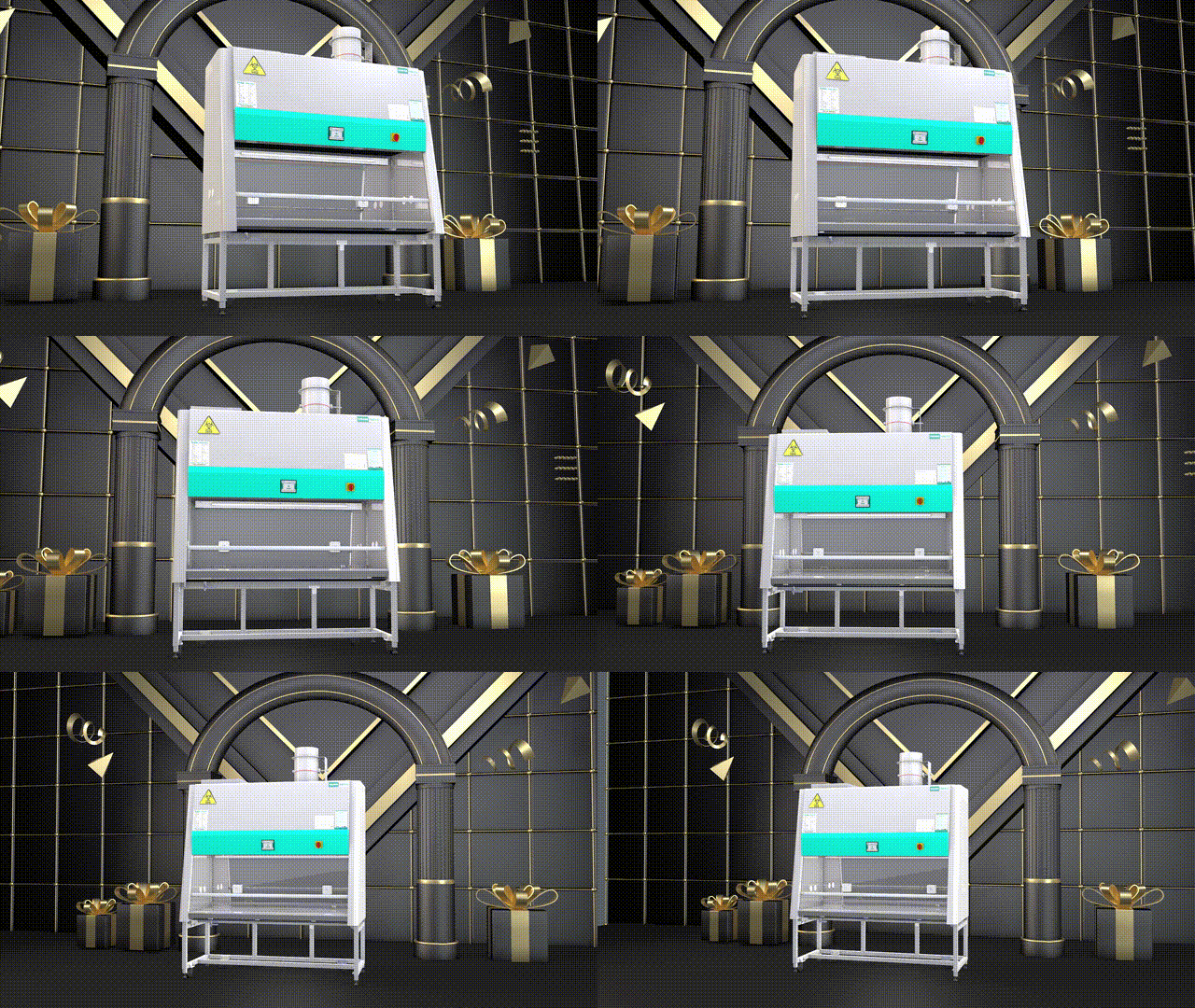
In modern laboratories, protecting personnel, biological samples, and the surrounding environment is a fundamental requirement. Whether conducting microbiological research, handling infectious materials, developing pharmaceuticals, or performing clinical diagnostics, laboratories face continuous risks associated with airborne contaminants and hazardous biological agents.
Even a minor operational error can lead to cross-contamination, compromised research results, laboratory-acquired infections, or environmental exposure. As biosafety regulations become increasingly stringent, laboratories must implement reliable containment measures to minimize these risks.
A Biological Safety Cabinet (BSC) serves as one of the most critical engineering controls in laboratory biosafety programs. By combining high-efficiency filtration, controlled airflow patterns, and physical containment, biological safety cabinets provide comprehensive protection for operators, products, and the environment.
However, achieving optimal performance requires more than simply installing a cabinet. Improper operation, inadequate maintenance, airflow disruptions, and emergency situations can significantly reduce protection effectiveness. Understanding common problems and implementing standardized operating procedures are essential for maintaining laboratory safety and regulatory compliance.
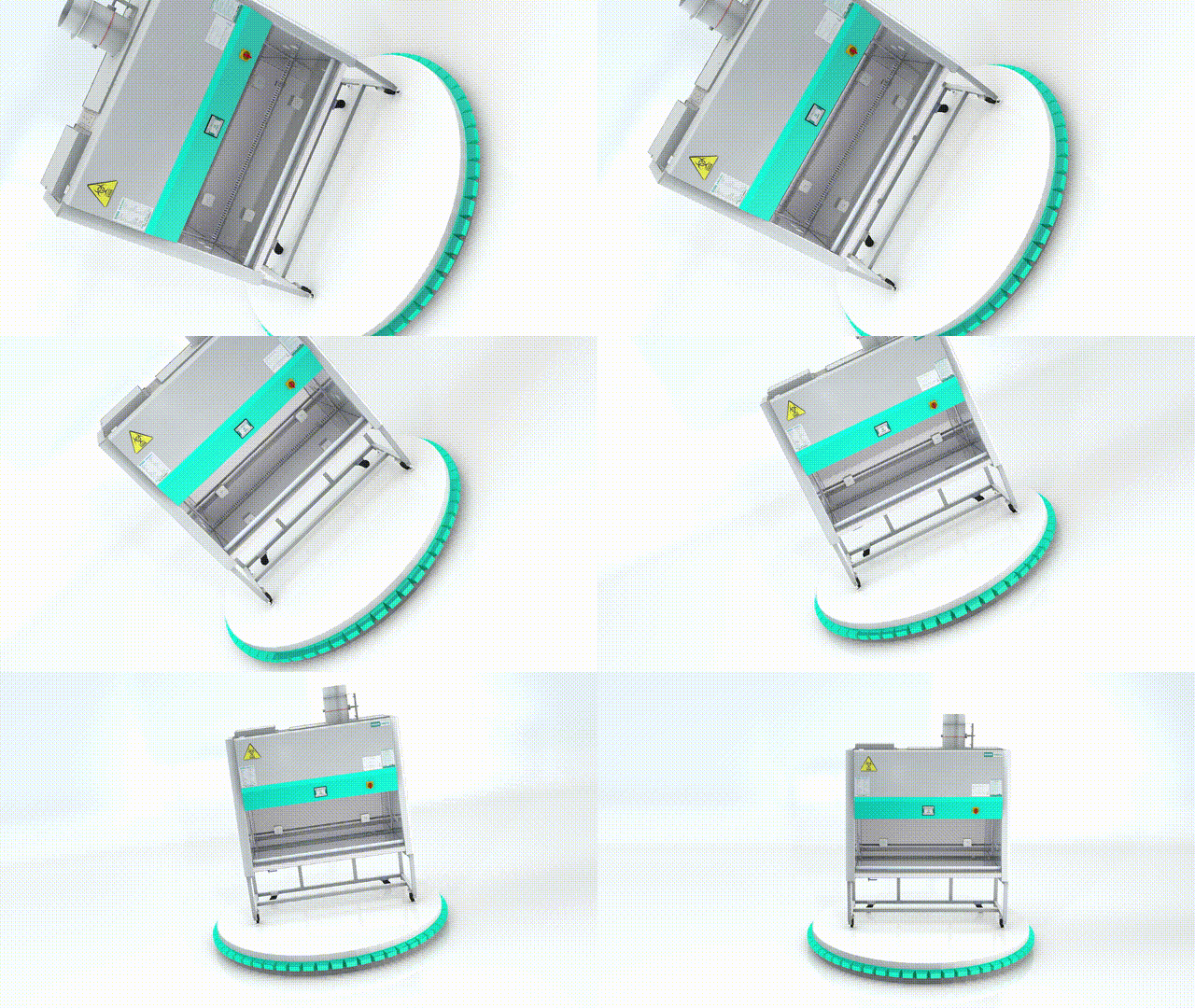
A Biological Safety Cabinet is a ventilated laboratory workspace specifically designed to safely handle biological materials that may generate aerosols or airborne contaminants.
Unlike standard laboratory benches or clean benches, biological safety cabinets are engineered to provide three levels of protection simultaneously:
• Personnel Protection
• Product Protection
• Environmental Protection
The cabinet achieves this through a carefully designed airflow system that utilizes HEPA or ULPA filtration and negative pressure containment principles.
Class II Biological Safety Cabinets are among the most commonly used models in pharmaceutical laboratories, hospitals, biotechnology facilities, and research institutions. These cabinets provide a balance between contamination control and operator safety, making them suitable for a wide range of biological applications.
The effectiveness of a biological safety cabinet depends largely on its airflow design.
Air is drawn inward through the front access opening, creating an invisible air barrier that prevents hazardous aerosols from escaping into the laboratory environment.
This inward airflow protects laboratory personnel from direct exposure to infectious agents, biological materials, and potentially hazardous particles generated during experimental procedures.
Maintaining the correct sash opening height is critical. Most Class II biological safety cabinets are designed to operate with a front opening of approximately 200 mm. Any deviation from the recommended opening height can compromise containment performance.
Filtered vertical laminar airflow continuously supplies clean air into the work zone.
Before entering the workspace, air passes through a HEPA or ULPA filter capable of removing extremely small airborne particles.
This clean downward airflow prevents external contaminants from reaching experimental materials, helping maintain sample integrity and ensuring accurate research results.
Product protection is particularly important in:
• Cell culture applications
• Pharmaceutical research
• Vaccine development
• Microbiological testing
• Gene therapy research
Air exhausted from the cabinet passes through a HEPA or ULPA filtration system before being released.
This process removes biological contaminants and prevents hazardous materials from entering the laboratory or surrounding environment.
For applications involving higher-risk biological agents, additional exhaust systems may be incorporated to further enhance environmental safety.
Although biological safety cabinets are designed to provide reliable containment, various operational and technical issues can reduce performance if not properly addressed.
Airflow abnormalities are among the most common issues affecting biological safety cabinet performance.
Potential causes include:
• Blocked front intake grilles
• Incorrect sash positioning
• Fan malfunction
• Damaged airflow sensors
• Excessive equipment placement inside the cabinet
When airflow becomes unstable, personnel protection, product protection, and environmental containment may all be compromised simultaneously.
Common warning signs include:
• Audible airflow alarms
• Unusual airflow patterns
• Reduced containment effectiveness
• Difficulty maintaining cabinet certification requirements
Routine airflow verification and proper operator training are essential to preventing these issues.
HEPA and ULPA filters are the primary contamination control components within a biological safety cabinet.
Over time, filters may become clogged, damaged, or reach the end of their service life.
Common indicators include:
• Increased pressure drop
• Reduced airflow velocity
• Alarm activation
• Failed certification testing
A damaged or improperly installed filter may allow contaminants to bypass the filtration system, creating significant biosafety risks.
Regular certification and scheduled filter replacement are critical for maintaining cabinet performance.
Even a properly functioning biological safety cabinet can fail to provide adequate protection if used incorrectly.
Common operational mistakes include:
• Blocking intake or exhaust grilles
• Rapid arm movements through the front opening
• Overloading the work area
• Frequent sash adjustments during operation
• Improper cleaning and disinfection practices
These actions can disrupt airflow patterns and increase the likelihood of contamination events.
Effective operator training remains one of the most important factors in biological safety cabinet safety.
Modern biological safety cabinets are equipped with intelligent monitoring systems designed to identify abnormal operating conditions.
Typical alarms may indicate:
• Low airflow velocity
• High airflow velocity
• Fan overload
• Filter blockage
• Incorrect sash position
• Electrical faults
Alarm conditions should never be ignored. Prompt investigation and corrective action can prevent more serious biosafety incidents.
Despite proper operation and routine maintenance, unexpected situations can still occur in laboratory environments. Establishing clear emergency response procedures helps minimize contamination risks and protect personnel, products, and the environment.
A sudden power outage can immediately disrupt airflow containment and compromise cabinet protection.
Potential risks include:
• Sample contamination
• Environmental contamination
• Operator exposure
Recommended actions:
• Stop all experimental activities immediately.
• Seal hazardous materials whenever possible.
• Fully close the front sash.
• Evacuate personnel from the laboratory according to biosafety procedures.
• After power restoration, perform necessary disinfection and safety assessments before resuming operations.
For laboratories handling highly infectious agents or hazardous biological materials, emergency backup power systems should be considered to maintain critical containment functions.
The supply fan is responsible for generating clean vertical airflow within the work zone.
If the supply fan stops operating:
• Product protection may be lost.
• Airflow balance may be disrupted.
• Contamination risks may increase significantly.
Operators should immediately suspend all work, secure biological materials, close the front window, and follow laboratory emergency protocols.
The cabinet should not be reused until qualified personnel have completed inspection and corrective maintenance.
Exhaust airflow plays a critical role in removing contaminated air from the cabinet.
When exhaust performance is compromised:
• Hazardous aerosols may accumulate inside the cabinet.
• Personnel protection may be reduced.
• Laboratory contamination risks may increase.
Experiments should be stopped immediately, and the cabinet should remain closed until proper maintenance is completed.
For externally exhausted Class II Type B2 systems, exhaust system integrity should be verified regularly to ensure safe operation.
Accidental damage to the front glass sash can compromise containment performance and expose operators to biological hazards.
Emergency measures include:
• Stop experimental activities immediately.
• Secure biological materials whenever possible.
• Isolate the affected area.
• Perform laboratory decontamination according to biosafety protocols.
• Replace damaged components before returning the cabinet to service.
Cabinet certification should be repeated after major repairs or component replacement.
Laboratory emergencies such as fires, earthquakes, floods, or severe facility failures can create significant safety hazards.
In these situations:
• Stop all work immediately.
• Secure hazardous materials if safe to do so.
• Close the cabinet sash.
• Disconnect power when appropriate.
• Follow facility emergency evacuation procedures.
Before laboratory operations resume, a complete safety assessment and decontamination process should be performed.
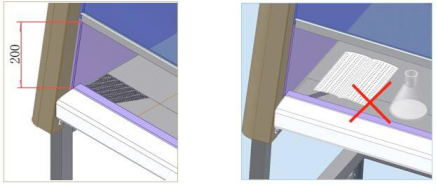
Consistent operating practices significantly improve safety and reduce contamination risks.
Recommended best practices include:
• Verify airflow status before beginning work.
• Maintain the correct sash opening height.
• Minimize rapid arm movements.
• Keep intake and exhaust grilles unobstructed.
• Organize materials before starting procedures.
• Avoid overcrowding the work surface.
• Disinfect surfaces before and after use.
• Use appropriate personal protective equipment (PPE).
• Follow laboratory biosafety protocols at all times.
Proper operator training remains one of the most effective methods for preventing accidents and maintaining cabinet performance.
Routine maintenance is essential for ensuring long-term safety and compliance.
Key maintenance activities include:
Operators should check:
• Airflow indicators
• Alarm status
• Cabinet cleanliness
• Sash functionality
• Visible equipment damage
HEPA or ULPA filters should be inspected and tested regularly.
Filter replacement schedules depend on:
• Operating hours
• Laboratory environment
• Airflow resistance
• Certification results
Only qualified personnel should perform filter replacement procedures.
Biological safety cabinets should undergo periodic certification to verify:
• Airflow velocity
• Containment performance
• Filter integrity
• Alarm functionality
• Overall compliance with applicable standards
Most facilities perform certification annually or after relocation, maintenance, or major repairs.
Regular certification helps ensure continued compliance with laboratory biosafety requirements.
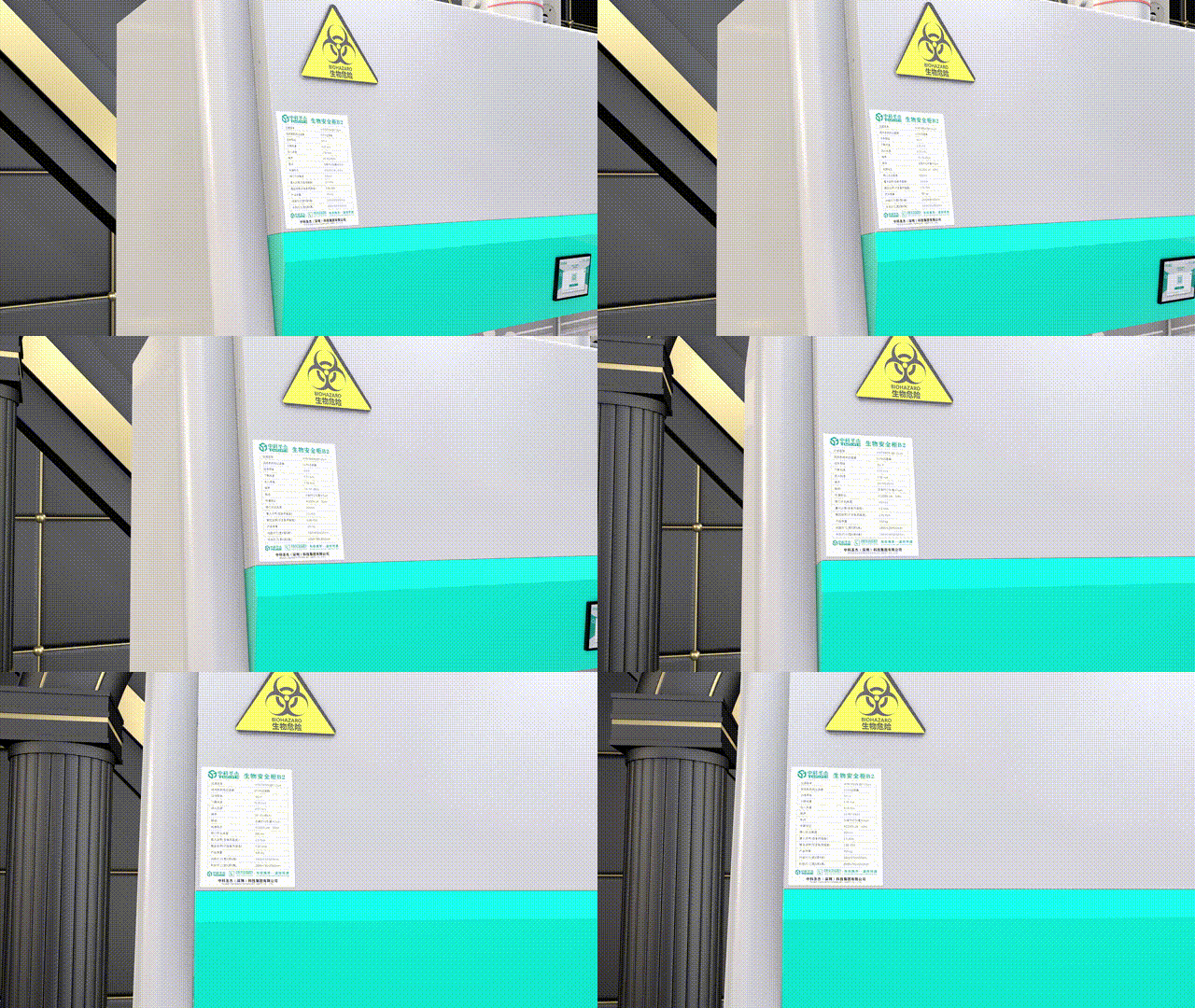
Cigeair Biological Safety Cabinets are designed to provide reliable containment performance, user-friendly operation, and long-term durability for modern laboratories.
The cabinet exterior is manufactured from high-quality cold-rolled steel with electrostatic powder coating.
The internal work area utilizes SUS304 stainless steel with large-radius rounded corners, eliminating cleaning dead zones and improving resistance to corrosion and contamination.
Cigeair offers both Class II Type A2 and Class II Type B2 Biological Safety Cabinets.
The optimized vertical laminar airflow system provides triple protection for:
• Personnel
• Samples
• Laboratory environments
Negative pressure containment further enhances operational safety and contamination control.
Modern control systems continuously monitor critical operating parameters, including:
• Airflow velocity
• Filter status
• Operating time
• Sash position
Audible and visual alarms notify operators of abnormal conditions, helping prevent biosafety incidents before they occur.
Cigeair supports customized configurations based on laboratory requirements.
Available options include:
• Cabinet dimensions
• Work zone layouts
• Exhaust connection systems
• Electrical configurations
• Specialized laboratory integration solutions
These capabilities allow laboratories to optimize workspace efficiency while meeting specific regulatory and operational requirements.
With a dedicated engineering team, manufacturing facilities, and nationwide service support, Cigeair provides comprehensive assistance throughout the equipment lifecycle.
Services include:
• Installation and commissioning
• Operator training
• Preventive maintenance
• Filter replacement
• Performance certification support
• Technical consultation
A biological safety cabinet protects laboratory personnel, experimental materials, and the surrounding environment from exposure to hazardous biological agents and airborne contaminants.
Most biological safety cabinets should be certified at least annually and after relocation, major maintenance, or filter replacement.
Type A2 cabinets recirculate a portion of filtered air and exhaust the remainder, while Type B2 cabinets are fully exhausted and are typically used for higher-risk applications.
Proper airflow creates containment barriers that prevent contaminants from escaping while protecting samples from external contamination.
Operators should immediately investigate the cause, verify airflow conditions, and follow facility procedures before continuing work.
Biological Safety Cabinets are essential components of laboratory biosafety programs. By combining advanced filtration technology, controlled airflow, and physical containment, they help protect personnel, products, and the environment from contamination risks.
Understanding common problems, implementing standardized operating procedures, performing routine maintenance, and responding effectively to emergencies are critical for maintaining cabinet performance and regulatory compliance.
Looking for a reliable Biological Safety Cabinet for your laboratory, pharmaceutical facility, or research center?
Cigeair provides advanced Class II Biological Safety Cabinets with intelligent monitoring systems, high-efficiency filtration, customizable configurations, and comprehensive technical support.
Contact our team today to discuss your laboratory requirements and discover a tailored biosafety solution designed for long-term performance, safety, and compliance.


